Tight stairs in Barnsbury flats: furniture moving fixes
Posted on 18/06/2026
If you live in Barnsbury, you probably know the feeling: a beautiful flat, lovely period character, and then a staircase that seems to have been designed by someone who never once moved a sofa. Tight stairs in Barnsbury flats: furniture moving fixes is not just a niche problem; it is a very real part of moving life in N1. The good news is that awkward access does not automatically mean damaged furniture, stressed neighbours, or a move that drags on forever. With the right planning, the right lifting method, and a bit of local know-how, even stubborn pieces can usually be handled safely.
This guide breaks down what actually works on narrow stairwells, where DIY often goes wrong, and when it makes sense to bring in professional help. You will find practical fixes, a step-by-step plan, a comparison of moving methods, and a simple checklist you can use before moving day. Honestly, it is one of those situations where a little prep saves a lot of faff.
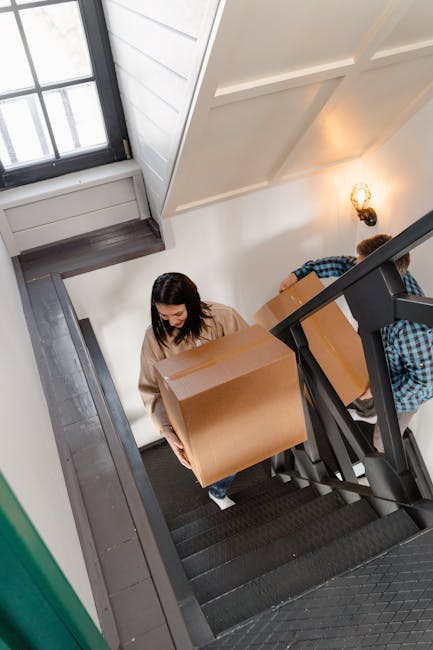
Why Tight stairs in Barnsbury flats: furniture moving fixes Matters
Barnsbury has plenty of attractive flats in converted buildings, older terraces, and compact upper-floor homes. That character is a big part of the appeal, but it often comes with steep turns, narrow landings, low ceilings, and bannisters that leave almost no room for error. A dining table can catch on a corner. A wardrobe can tilt at the wrong angle. A mattress can suddenly feel twice as wide as it looked in the bedroom.
Why does this matter so much? Because stair access is rarely the main risk people think about. Most damage happens in the seconds when a heavy item rotates, scrapes, or slips while two people are trying to make a judgment call in a tight space. That is when walls get marked, hands get trapped, and tempers get short. It is also why a furniture move in a Barnsbury flat benefits from a method, not just muscle.
In our experience, the real challenge is not strength alone. It is geometry, timing, and communication. You need to know the turning points, the safe carrying position, and whether the item should go up upright, on its side, or dismantled first. That sounds obvious, but when you are standing on a narrow stairwell at 8:30 in the morning with a chest of drawers blocking the route, obvious things suddenly disappear. Funny how that happens.
For context, if you are already planning a broader flat move, it can help to read flat removals in Barnsbury alongside this article. You may also find Liverpool Road removals for Victorian terraced homes useful if your building has the same kind of tight internal access many local properties share.
How Tight stairs in Barnsbury flats: furniture moving fixes Works
The process is simpler than it looks, but it has to be approached in the right order. Furniture moving fixes for tight stairs usually fall into five practical categories: measuring, reducing bulk, protecting surfaces, changing the carry method, and choosing the right equipment. You do not always need all five, but you almost always need at least three.
First, measure the item and the route. That means width, height, depth, stair width, landing depth, ceiling clearance, and the awkward bit near the banister or turn. Second, work out whether the item can be reduced in size. Can the legs come off? Can the doors be removed? Can shelves be taken out? Can a bed frame be broken down? If yes, do it before anyone starts carrying.
Then comes protection. Blankets, corner guards, and floor covers help, but they are not a magic shield. They only work if the item is being carried in a controlled way. After that, the carry technique matters. On some stairs, a tall item must be angled. On others, it needs a two-person pivot on the landing. In a few cases, the correct answer is to avoid the staircase entirely and use an alternative route, a window lift, or storage staging. Not glamorous, but effective.
If the move is part of a more complex day, a look at services overview can help you see how furniture moving fits into a fuller removal plan. For general transport support, man with a van Barnsbury is also a sensible reference point when space is limited and timing matters.
Key Benefits and Practical Advantages
When tight stairs are handled properly, the benefits show up in ways people notice immediately. The move runs more smoothly. Furniture arrives in one piece. The stairwell stays cleaner. And, just as importantly, everyone is less frazzled. That last point matters more than people admit.
- Less risk of damage: Careful route planning reduces dents, scrapes, chipped paint, and crushed corners.
- Safer handling: Controlled lifting and clearer communication reduce the chances of strain or drops.
- Faster progress: A good plan avoids repeated stops, awkward re-angles, and last-minute panic.
- Better use of space: Dismantling and repositioning items can unlock routes that seemed impossible at first.
- Less disruption to neighbours: Fewer repeated bumps on walls and less time blocking communal areas.
There is also a practical budget benefit. Fixing a moving problem before the day itself is usually cheaper than dealing with repairs, replacement costs, or an extra emergency visit. To be fair, nobody plans to pay for a scratched banister, but lots of people do when they try to wing it. The idea is not to make the move feel technical. It is to make it less expensive in the ways that count.
For item-specific planning, these guides can be especially handy: moving your bed and mattress, sofa storage advice, and why piano moving is not a DIY job. Different items, same lesson: the route matters as much as the weight.
Who This Is For and When It Makes Sense
This topic is for anyone moving furniture in a Barnsbury flat where the stairs are steep, narrow, twisty, or inconveniently decorated with sharp corners. That includes tenants moving in or out, homeowners rearranging between rooms, landlords preparing a property, and students moving furniture between compact rentals. It also applies to people who are not moving house at all, just trying to get a bed, sofa, desk, or freezer into an upstairs space.
It makes sense to use furniture moving fixes when:
- the item is heavier than one person should handle alone;
- the stairwell has a tight turn or low ceiling;
- the item has fragile surfaces, glass, or awkward dimensions;
- you are working to a deadline and cannot afford delays;
- the building has limited access, shared entrances, or a narrow hallway.
Some people also benefit from staging items in storage before bringing them up to a flat. That is particularly useful when the new property is not fully ready or when the staircase is simply not suitable for a large piece in one go. If that sounds familiar, have a look at storage in Barnsbury and preparing your living space for a new chapter. A staged move can feel calmer, and honestly, calmer is underrated.
For quick or urgent moves, you may also want same day removals Barnsbury or urgent move solutions for Barnsbury tenants. Tight stairs and rushed timing do not mix well, so if the day is already compressed, the transport plan needs to be extra tidy.
Step-by-Step Guidance
Here is the practical version. No fluff. Just the sequence that tends to work best.
- Measure the furniture and the stair route. Include the corners. That is where the surprise usually lives.
- Check whether disassembly is possible. Remove legs, shelves, handles, doors, and loose fittings where safe to do so.
- Clear the route. Move rugs, lamps, plants, shoes, and anything else that turns a narrow space into a trip hazard.
- Protect the property. Use blankets, sheets, tape that will not damage paint, and corner protection where needed.
- Agree the carry command. One person calls the pace. One person keeps the item stable. No competing instructions. Please.
- Test the angle before committing. Lift lightly, pivot slowly, and pause at landings to reassess.
- Use the right equipment. Straps, sliders, dollies, and gloves can make a real difference, but only if the staircase allows them.
- Stop when the plan stops working. If the item is stuck, do not force it. Back out, reset, and try again.
One of the smartest things you can do is pack items so they are easier to handle on the stairs. For example, smaller boxes are easier to carry than one overfilled monster box that wobbles like a shopping trolley with a loose wheel. If you want better packing habits before moving day, advanced packing techniques for moving is a useful companion read. And if you know you need to reduce volume first, decluttering before a move can save you a great deal of hassle.
One more thing: if a piece is genuinely borderline, do a dry run with cardboard dimensions or a tape-marked outline on the wall. It sounds slightly nerdy, but it works. Sometimes the difference between "impossible" and "fine" is just a better angle.
Expert Tips for Better Results
Small choices make a big difference in a narrow staircase. The best fix is rarely brute force. It is usually a blend of prep, patience, and sensible sequencing.
1. Move the heaviest item first, while everyone is fresh
Early in the day, concentration is better and grip strength has not faded. If the sofa or wardrobe is the main challenge, tackle it before smaller items start cluttering the route. That way, you are not stepping around lamp shades and box tape while trying to angle a doorframe through a tight landing. That gets messy quickly.
2. Remove obstacles before you lift anything
It is tempting to start carrying right away. Don't. Clear the hallway, open internal doors, and make sure the stairwell is not blocked by recycling, storage boxes, or a rogue plant pot. Even a small obstacle can change the angle of the carry and turn a controlled move into a minor scramble.
3. Protect the item and the building equally
People often wrap furniture but forget the walls, bannister, and floor. In tight access, both matter. A damaged sofa can be repaired or reupholstered in some cases; a marked stair wall in a shared building is a less pleasant conversation. Nobody wants that knock on the neighbour's door.
4. Use short, simple calls
Words like "lift," "hold," "turn," and "down" work better than long instructions. If one person says "just a bit more, maybe tilt it slightly and then no, back the other way," everyone is already in trouble. Clear commands reduce hesitation. And hesitation is what makes furniture wobble.
5. Choose the route with the least friction, not the shortest route on paper
Sometimes a longer path through a room is easier than a direct but awkward stair turn. Sometimes removing a door is faster than trying to squeeze around it. It is all about reducing contact points. If you can reduce friction, you reduce damage risk too.
If your move involves heavier items or specialist handling, it is worth reviewing solo heavy object lifting simplified and, for larger jobs, furniture removals Barnsbury. For a broader sense of the team and approach, about us is a good place to understand the service style and standards behind the work.

Common Mistakes to Avoid
Tight stair moves usually go wrong in predictable ways. That is actually useful, because predictable problems are easier to prevent.
- Ignoring measurements: Guessing is not a strategy. A sofa that looks "probably fine" may fail at the landing turn.
- Leaving too much in the furniture: Drawers, shelves, and loose contents add weight and instability.
- Not briefing the helpers: If each person has their own idea of the route, things get awkward fast.
- Rushing on the stairs: Speed is useful only after control is established.
- Forcing oversized items through: If it catches, back off and rethink. Forcing it usually makes the problem worse.
- Skipping floor and wall protection: Marks on paintwork are easy to create and annoying to fix.
- Underestimating specialist pieces: Pianos, large mirrors, and antique furniture need extra caution.
There is also a softer mistake: assuming you have to do everything in one pass. You do not. Break the job down. Separate the awkward items. Store a few things temporarily. Use a second attempt if needed. That is not failure; it is sensible pacing. If you need to clear surplus items first, bulky waste removal in Barnsbury without council fines may be helpful for planning what stays and what goes.
Tools, Resources and Recommendations
The right tools do not solve every access problem, but they make the hard bits less punishing. In a Barnsbury flat, the useful kit is usually practical rather than fancy.
- Furniture blankets: Good for protecting surfaces and softening contact with walls.
- Corner guards: Helpful where a staircase turn is especially tight.
- Straps or lifting harnesses: Useful for weight distribution on awkward pieces.
- Gloves with grip: Better than bare hands when you need steady control.
- Furniture sliders: Handy for short indoor repositioning before the actual carry.
- Step trolley or sack truck: Only if the staircase and item shape genuinely suit it.
- Basic toolkit: Screwdrivers, Allen keys, and small bags for fittings can prevent a lot of delay.
Beyond tools, a few resources are worth having in your moving plan. Good packing discipline helps, so revisit packing and boxes Barnsbury. If you are moving a sofa into storage first, sofa storage advice is relevant. If a freezer or fridge has to be held temporarily while access is sorted, smart storage for freezers offers a useful angle on staging appliances safely.
And if you are comparing service levels, looking at man and van Barnsbury, removal van Barnsbury, and removal services Barnsbury can help you decide how much support you actually need. Sometimes the simplest route is the best one. Sometimes not. It depends on the staircase, not the marketing.
Law, Compliance, Standards, or Best Practice
Furniture moving in flats may sound informal, but there are still sensible standards to follow. In the UK, safe manual handling is a serious matter, especially when stairs, heavy lifting, and shared common areas are involved. You do not need to turn the day into a compliance seminar, but you do need to think about safety, access, and property care.
Best practice usually includes:
- not exceeding what a person can safely carry;
- using team lifts for heavier or awkward items;
- keeping stairwells and exits clear;
- protecting communal areas and reporting any damage promptly;
- checking whether building rules affect loading, access, or lift use;
- making sure any helpers understand the plan before lifting starts.
In larger or more organised moves, it is sensible to look at insurance, terms, and how a company handles incidents. That is not being overcautious; it is just sensible. You can review insurance and safety, health and safety policy, terms and conditions, and payment and security if you want a clearer picture of service expectations. For a general sense of how the business frames responsible work, recycling and sustainability may also be relevant when moving includes unwanted items or packaging waste.
One small but important note: if a staircase is clearly unsuitable for a piece, best practice is to stop and reassess rather than pushing on out of pride. Pride is not a lifting aid.
Options, Methods, or Comparison Table
Different staircase problems call for different solutions. Here is a simple comparison to help you choose the right approach.
| Method | Best for | Pros | Trade-offs |
|---|---|---|---|
| Manual carry with two people | Standard furniture, moderate stairs, short distances | Flexible, quick to organise, low equipment needs | Still requires good technique and strong communication |
| Partial disassembly | Beds, wardrobes, desks, flat-pack items | Makes bulky items easier to turn and lift | Needs tools and time, fittings must be kept safe |
| Protective staging and route clearing | Busy hallways, shared entrances, awkward turns | Reduces scratches and accidental bumps | Does not reduce weight on its own |
| Specialist moving support | Large, heavy, fragile or unusually shaped items | Improves safety and lowers risk of damage | Higher cost than doing it alone |
| Storage staging | Moves split across days or access that is too tight | Removes pressure from the stair move itself | Requires an extra step and careful planning |
In real terms, many Barnsbury moves use a combination of these methods. A bed frame may be dismantled, a sofa may be protected and angled, and a wardrobe may go into temporary storage until the route is clear. That blended approach is often the most practical. It is not fancy. It just works.
Case Study or Real-World Example
Picture a top-floor Barnsbury flat with a narrow staircase, a tight half-landing, and a solid sofa that absolutely does not enjoy corners. The team begins by measuring the sofa and stair width, then checks the turn against the landing wall. At first glance, it seems awkward but possible.
The fix is not to shove harder. Instead, the sofa cushions are removed, the legs are protected, and the route is cleared so there is room to pivot. One person takes the lead, another controls the rear angle, and a third spots the bannister contact point. On the first attempt, the sofa catches slightly at the turn. They stop, reset the angle, and bring the front end higher. On the second attempt, it passes cleanly.
What made the difference? Three things: pre-measurement, route discipline, and patience. Not magic. Not brute strength. Just the right sequence.
In another common scenario, a tenant has a bed frame, mattress, and a large chest of drawers to move into a Barnsbury flat within the same afternoon. The bed and mattress are handled first because they are easier to control once the route is clear. The drawers are emptied, removed from the runners where possible, and carried separately. This keeps the weight down and makes the stair turns easier. If the stairs are still too tight, the chest of drawers may be staged temporarily in storage and brought up later. Simple, really. Though of course the hallway never feels simple while you are in it.
That kind of planning aligns well with stress-free moving solutions and the practical approach used in Barnsbury Square moving tips for parking and narrow streets. The access problem is not only inside the building; sometimes the street outside decides to be difficult too.
Practical Checklist
Use this before moving day. It keeps things tidy and saves guesswork.
- Measure the furniture, stair width, landings, and any tight turns.
- Check whether doors, legs, shelves, or drawers can be removed.
- Empty drawers and loose storage compartments before lifting.
- Protect walls, floors, bannisters, and furniture corners.
- Clear hallways, entrances, and stair landings completely.
- Agree who leads, who supports, and who spots the route.
- Prepare blankets, straps, gloves, tape, and tools in advance.
- Decide which items need storage or specialist handling.
- Check access timing, parking, and building rules if relevant.
- Stop and reassess if an item jams or the angle feels unsafe.
Practical takeaway: In tight Barnsbury staircases, the safest move is usually the one that removes bulk before anyone starts lifting. Measure first, dismantle where possible, and let the route dictate the method.
If you are still shaping the rest of the move, removals, house removals Barnsbury, and student removals Barnsbury can help you think through the bigger picture. For a particularly fast turnaround, urgent move solutions for Barnsbury tenants is worth a look.
Conclusion
Tight stairs in Barnsbury flats do not have to turn furniture moving into a disaster. With measured planning, simple disassembly, proper protection, and calm teamwork, even awkward items can often be moved safely and efficiently. The main thing is to respect the stairwell rather than fight it. Narrow access has its own logic, and once you work with it, everything gets easier.
That is the real message here: the fix is rarely one dramatic trick. It is a series of small sensible decisions that add up to a much better move. A little slower at the start. A lot smoother by the end. And a good deal less stressful, which matters more than it sounds when you are standing on a landing with a sofa in your hands.
If you want to explore more practical moving guidance, the next useful step is to compare your item list with your access route and decide what needs disassembly, storage, or specialist handling before move day arrives.
Get a free quote today and see how much you can save.