Bulky waste removal in Barnsbury without council fines
Posted on 10/06/2026

If you have a sofa in the hallway, a mattress leaning against the wall, or a broken wardrobe that has become part of the furniture, you are not alone. Bulky waste has a habit of sitting there a bit longer than planned. And in Barnsbury, leaving it to chance can lead to avoidable trouble, especially if items are put out incorrectly or fly-tipped. This guide on Bulky waste removal in Barnsbury without council fines walks you through the practical, low-stress way to clear large unwanted items while staying on the right side of local expectations.
We will look at what counts as bulky waste, how removal usually works, what to do before collection, and how to avoid the kind of mistakes that turn a simple clear-out into a headache. If you are moving soon, decluttering, or just trying to reclaim your front room from a stubborn sofa-bed, this should help. To be fair, it is often less about the item itself and more about knowing the correct sequence. Small thing, big difference.
Why Bulky waste removal in Barnsbury without council fines Matters
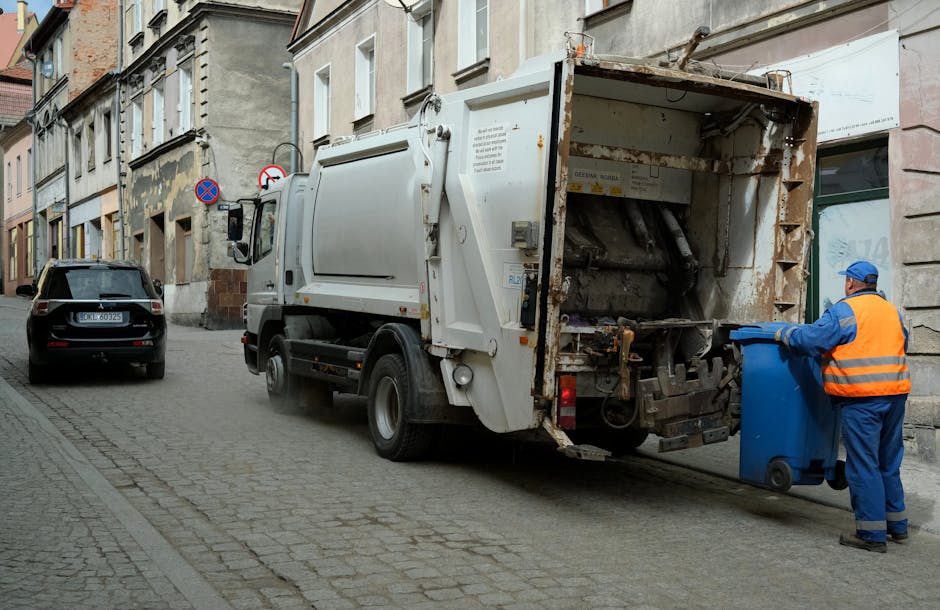
Bulky waste is not just "big rubbish". It is the awkward stuff that does not fit neatly into the weekly bin routine: sofas, wardrobes, bed bases, freezers, exercise equipment, broken tables, office desks, and similar items. In a dense London area like Barnsbury, the problem is not only storage. It is access, timing, shared entrances, pavement space, and the risk of items blocking paths or being left in a way that looks abandoned.
Why does this matter so much? Because when bulky waste is handled badly, the result can be more than an eyesore. It can mean complaints from neighbours, obstruction issues, pest attraction, and, depending on how and where items are left, possible enforcement action. No one wants a straightforward clear-out to become a fine-shaped surprise.
There is also the practical side. If you are preparing for a move, following the advice in the decluttering guide before moving can help you spot bulky items early, rather than discovering them at the last minute when the van is already booked. That early filter saves time, money, and a fair bit of stress.
In Barnsbury, where terraces, flats, and narrow access points are common, bulky waste needs a plan. The better your plan, the less likely you are to be rushing bags of broken furniture outside and hoping for the best. Let's face it, hope is not a strategy.
How Bulky waste removal in Barnsbury without council fines Works
At a practical level, bulky waste removal is a three-part process: identify the items, decide the correct disposal route, then move them safely and legally. The exact route can vary. Some items may be suitable for reuse or donation, some may need recycling, and some will need specialist collection because they are heavy, awkward, or contain components that require careful handling.
A well-run removal process usually starts with sorting. You separate what can be kept, what can be donated, what can be dismantled, and what must go. This matters more than people think. For example, a wardrobe that can be flattened may be far easier to move and dispose of than a bulky, intact unit. The same goes for bed frames, sofas, and shelving. Sometimes a screwdriver does more good than brute force. Which is a relief, honestly.
If the job is linked to moving house, a broader removals plan can help. The service information on removal services in Barnsbury and the wider services overview can be useful if you are combining clear-out work with transport, lifting, or storage. That's often the cleaner route when the calendar is tight.
For larger or heavier pieces, a proper lifting approach matters. A quick read of solo heavy object lifting guidance is a good reminder that even "small" mistakes can cause strains, scrapes, or chipped walls. It is easy to underestimate a chest of drawers until it catches on the stair rail.
Key Benefits and Practical Advantages
The obvious benefit is avoiding fines, but that is only part of the picture. Good bulky waste removal also gives you space back, reduces clutter pressure, and makes the next step in life easier. In a flat, that might mean clearer hallways and less friction with neighbours. In a house, it might mean finally getting into the spare room without stepping over an old mattress every morning. Mildly ridiculous, but very real.
- Less risk of enforcement issues: items are removed properly rather than left in a way that could be treated as dumping.
- Safer access: hallways, stairwells, and front entrances stay clear.
- Better recycling outcomes: reusable and recyclable materials can be separated more effectively.
- Lower physical risk: fewer chances of back strain, broken items, or damaged walls.
- Less last-minute chaos: especially helpful before a tenancy handover or moving day.
There is also a mental benefit people underestimate. Once the bulky stuff is gone, a room feels different. Quieter, somehow. A little less heavy. That can make the rest of the clear-out much easier, which is why many people start with the largest item first. Momentum matters.
If you are already thinking about how the cleared space will be used next, the article on preparing your living space for a new chapter ties in neatly. Clearing bulky waste is often the first visible sign that a home is turning over a page.
Who This Is For and When It Makes Sense
Bulky waste removal makes sense for a lot of Barnsbury residents, and not just people in full moving mode. It is useful for tenants, landlords, homeowners, students, small businesses, and anyone who has ended up with a large item that is too cumbersome for normal disposal.
It is especially relevant if you are:
- ending a tenancy and need the place cleared quickly
- upgrading furniture and want the old item removed cleanly
- decluttering before a sale or refurbishment
- handling office clearances with desks, chairs, or storage units
- dealing with a same-day space issue, such as a broken bed or damaged sofa
For students or short-term renters, timing often matters more than volume. A single bulky item can be enough to cause problems if you have a move-out inspection the next morning. The page on student removals in Barnsbury is useful context if your clear-out is tied to the end of term or a fast relocation.
And if you are in a flat with tight stairwells or limited lift access, the challenges multiply. A sofa is never just a sofa when it has to turn a corner in a narrow landing. That is where measured planning beats guesswork every time.
Step-by-Step Guidance
Here is the simplest sensible way to handle bulky waste without attracting hassle.
- List every bulky item. Walk through the property and note anything large, heavy, awkward, or broken.
- Sort by outcome. Separate items for reuse, recycling, dismantling, specialist handling, or disposal.
- Check condition and material. Wood, metal, textiles, electricals, and mixed-material items may need different treatment.
- Measure access points. Doorways, stairs, shared halls, and parking space all matter. Barnsbury access can be tight, and it pays to be honest about that.
- Protect the property. Use blankets, gloves, tape, or floor coverings where needed.
- Choose the removal route. Decide whether a man and van style collection, a full removal service, or a same-day solution is the best fit.
- Schedule with the move or clear-out. Group bulky waste removal with other lifting or transport work if it reduces double handling.
- Keep proof of responsible disposal. If you are a landlord, tenant, or managing a property handover, records can be helpful.
A small but important note: if you are also clearing out a room before moving furniture, the advanced packing techniques guide helps you avoid putting fragile or loose items in the wrong place while the bulky stuff is being removed. Good sequencing prevents the classic "we packed the lamp in the wrong box and now it's missing" moment. Happens more than you'd think.
If the job includes a bed or mattress, take a look at the key considerations for moving beds and mattresses. Those items often look simple until you get them through a twisty stairwell. Then they are suddenly very, very not simple.
Expert Tips for Better Results
From experience, the difference between a smooth bulky waste job and a frustrating one usually comes down to planning and restraint. Yes, restraint. People often try to do too much at once and end up with items half-moved, doors propped open, and a wobbling pile near the pavement. Not ideal.
Use dismantling where it genuinely helps
If an item can be safely broken down without wasting time or damaging the building, dismantle it. Flat-pack furniture, bed frames, shelving, and some desks become easier to carry and sort when separated. Keep screws and fittings in a labelled bag. You will thank yourself later, probably around the exact moment you need them again.
Think about routes, not just weight
A light item can still be awkward if it has to travel through a cramped hall. Before moving anything, look at the route from room to exit. If it requires a sharp turn, a low ceiling, or a narrow landing, plan for that now, not halfway through.
Protect shared areas
In Barnsbury, shared entrances and communal staircases are common. Use blankets or cardboard where appropriate, and move carefully. Damage to a wall or stair edge can become more expensive than the disposal itself. That is one of those unpleasant little truths nobody likes but everyone remembers.
Separate anything reusable
Just because an item is no longer useful to you does not mean it is waste. Clean, structurally sound furniture, working appliances, and intact household goods may have a second life elsewhere. If you are unsure, treat "possible reuse" as a separate category rather than putting it straight into the disposal pile.
For heavier or more valuable items, such as a piano, specialist handling is the safer choice. The article on why piano moving is not a DIY job is a useful reminder that weight alone does not tell the full story. Balance, fragility, and route planning matter just as much.

Common Mistakes to Avoid
The most common mistake is leaving bulky waste out too early, too late, or in the wrong place. That can mean obstruction complaints, weather damage, or items being treated as abandoned. Timing is not glamorous, but it matters.
- Dumping items beside bins: this is one of the quickest ways to create a problem.
- Guessing about collection rules: what seems "close enough" often is not.
- Skipping dismantling: some items are needlessly difficult in one piece.
- Using poor lifting technique: back injuries have a way of ruining an entire week.
- Ignoring access and parking: especially in narrow Barnsbury streets, where stopping space can be limited.
- Mixing hazardous items with general waste: batteries, liquids, and certain electrical components need care.
Another subtle mistake is waiting until moving day to decide what is staying and what is going. If you are trying to clear a home quickly, use a proper decluttering pass first. The article on stress-free moving solutions gives a good sense of how much smoother the process feels when the junk is handled early.
And if your clear-out includes furniture you are not ready to release yet, storage can buy breathing room. The page on storage in Barnsbury is worth considering when the timing between disposal, sale, and move-out does not line up neatly. It rarely does, to be honest.
Tools, Resources and Recommendations
You do not need a warehouse of equipment to deal with bulky waste properly, but a few basics help more than people expect.
| Tool or resource | What it helps with | Why it matters |
|---|---|---|
| Gloves | Grip and hand protection | Useful for splinters, rough edges, and dusty surfaces |
| Furniture blankets | Surface protection | Helps prevent scuffs on walls, doors, and floors |
| Basic tools | Dismantling furniture | Can reduce size and make loading much easier |
| Labels or tape | Sorting parts and fittings | Keeps reusable pieces from disappearing into the chaos |
| Proper transport | Moving items away safely | Reduces damage risk and repeated lifting |
If you are planning a move at the same time, helpful related reading includes stress-free moving guidance and the page on pricing and quotes for understanding what kinds of jobs are usually scoped together. Clear pricing expectations are a relief, especially when you are already juggling deadlines.
For customers concerned about protection of items in transit, the insurance and safety page is useful background. Not because every job goes wrong, but because peace of mind is worth having before you start moving awkward furniture down a staircase at 7.30 in the morning.
Law, Compliance, Standards, or Best Practice
When discussing bulky waste, the safest practical advice is to follow recognised UK waste-handling norms and local collection expectations. The exact rules can vary depending on the item, the property, and who is arranging collection, so it is wise to check the details that apply to your situation rather than assume.
In plain English, the main best-practice principles are:
- do not leave items in places where they could be treated as dumped waste
- make sure waste is handed to a properly arranged and traceable route
- separate reusable or recyclable items where possible
- keep pathways, doorways, and shared areas clear
- handle electrical, heavy, or awkward items with extra care
If you are a tenant, it is particularly sensible to document what was removed and when, especially if you are dealing with a final inspection. If you are a landlord or managing agent, a more formal record of clear-out and disposal can help avoid disputes later on. Not exciting, but very useful.
Best practice also means thinking about sustainability. A good bulky waste process does not treat every item as landfill-bound by default. The page on recycling and sustainability is relevant here, because the greener choice is often also the tidier one. Reuse first where possible, then recycle, then dispose properly. Simple order, better outcome.
Options, Methods, or Comparison Table
If you are deciding how to clear bulky waste, the easiest way is to compare the main methods side by side. What works for a one-off armchair may not suit a full flat clearance, and that is where people sometimes get stuck.
| Method | Best for | Pros | Limitations |
|---|---|---|---|
| DIY disposal | Very small jobs, if you have suitable transport | Direct control, no waiting around | Heavy lifting, access issues, and disposal errors are easy to make |
| Man and van collection | Mixed household bulky items | Flexible, quicker, less strain on you | Still needs good sorting and access planning |
| Full removal service | Larger clear-outs, moves, or property handovers | More support, better for heavy items and multiple rooms | Can be more than you need for a single item |
| Same-day help | Urgent clear-outs and deadline pressure | Fast response, ideal for last-minute issues | Less flexibility if you have a very complex load |
If you are in a time-sensitive situation, the page on same-day removals in Barnsbury can be helpful context. And if your clear-out is tied to a property change, the flat removals Barnsbury page is relevant for the access and stair-based realities of local homes.
Case Study or Real-World Example
Picture a small Barnsbury flat on an upper floor. The resident is moving out at the end of the month and has a broken wardrobe, an old mattress, and a dining chair with a collapsed leg. The hallway is narrow, the stairwell has a sharp turn, and the nearest parking spot is not exactly generous. Nothing dramatic. Just a normal London afternoon, really.
Rather than leaving the items by the front door and hoping for a miracle, the resident sorts them into three groups: keep, remove, and unsure. The wardrobe is dismantled carefully, the mattress is wrapped for handling, and the chair is separated so the damaged frame does not snag on the staircase. The route is checked before anything moves. By the time collection starts, the path is clear and the job takes far less effort than expected.
That kind of planning also reduces the chance of damage to the building, which is often the hidden cost people forget. One scratched wall or cracked corner can be more irritating than the clear-out itself. In this case, the resident also had a few boxed items still awaiting sorting, so they used the advice from advanced packing techniques to keep fragile things separate and properly labelled.
The result? No clutter left behind, no last-minute panic, and no reason for a complaint from neighbours or the landlord. Not flashy. Just tidy, careful, and done properly. That's usually the winning formula.
Practical Checklist
Use this before any bulky waste collection or clear-out in Barnsbury.
- Identify every bulky item in the property
- Separate reusable, recyclable, and disposable items
- Measure doorways, stairs, and turns
- Check whether anything needs dismantling first
- Protect floors, walls, and corners
- Confirm parking or loading access
- Keep shared entrances clear
- Use safe lifting technique or arrange help
- Store fittings and screws in labelled bags
- Arrange the removal route before moving day
- Keep evidence of what was removed if needed for tenancy or property records
If your bulky waste job is happening alongside an office move, the office removals Barnsbury page may be useful as a planning reference, especially where desks, chairs, and filing units are involved. If it is a home move, a look at house removals Barnsbury can help you think through the wider relocation picture.
Conclusion
Bulky waste removal in Barnsbury without council fines is really about being organised, respectful of access, and careful about the route you choose. It is not glamorous work. It is practical work. But practical work makes a big difference when the clock is ticking and the hallway is already crowded.
Start early, sort honestly, and do not underestimate the value of safe lifting and proper disposal. If the job is large, urgent, or tied to a move, bringing in the right help can save time and prevent mistakes that are hard to undo later. And once the last awkward item is gone, the whole place feels lighter. You can hear it, almost. Less echo, less clutter, less pressure.
Get a free quote today and see how much you can save.
Clearing space well is one of those small wins that quietly improves everything else. Once the bulky stuff is out of the way, the next chapter usually feels a lot less heavy.


