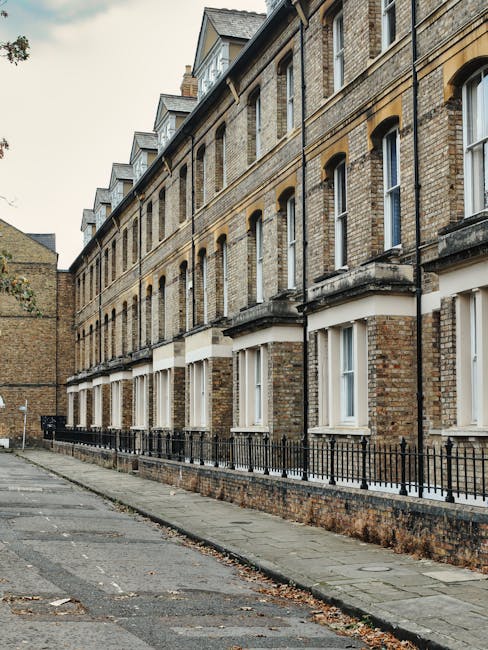
Liverpool Road removals for Victorian terraced homes
Posted on 14/05/2026
Liverpool Road removals for Victorian terraced homes: a practical guide to moving well in a tricky, beautiful street
Victorian terraced homes have character in spades. Tall ceilings, narrow staircases, awkward turns, original features, and the occasional door that seems to have been built for a much smaller century. That charm is exactly why Liverpool Road removals for Victorian terraced homes need a more thoughtful approach than a standard move. If you are planning a relocation on or near Liverpool Road, the difference between a calm day and a stressful one usually comes down to access, preparation, and the team you choose.
This guide explains how these moves work, what tends to go wrong, how to prepare properly, and what a good removal plan should include. It is written for people who want practical answers, not vague reassurance. And yes, a terrace can be moved safely without drama. Usually with a bit more planning than people expect, that's all.
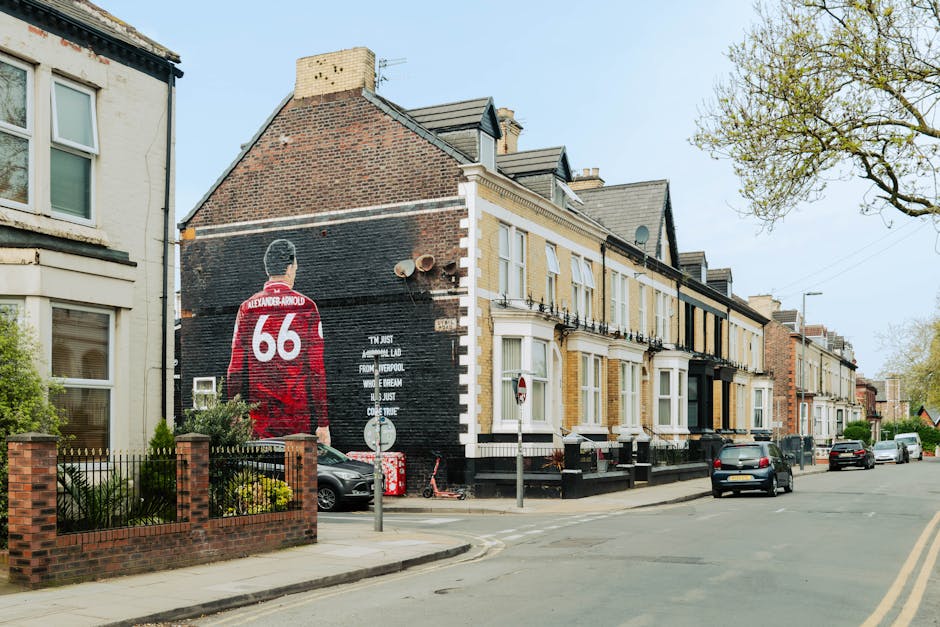
Why Liverpool Road removals for Victorian terraced homes Matters
Victorian terraces are not difficult because they are old. They are difficult because they are specific. Liverpool Road properties often combine narrow hallways, compact landings, steep internal stairs, shared boundaries, limited front access, and parking that can be awkward at the best of times. In other words, a move here needs proper planning, not a hopeful shrug.
The layout of these houses can affect nearly every part of the removal process. Sofas may need careful tilting. Beds and wardrobes may not clear turns cleanly. A dining table can look perfectly manageable in the room and then become a small architectural problem halfway down the stairs. If you have ever tried to angle a mattress through a Victorian landing while someone says, "just a bit more to the left," you know the feeling.
That is why local experience matters. A team familiar with terrace moves will usually think ahead about access, route planning, furniture protection, and loading order. They will also know that a move in a period home is as much about avoiding damage to the property as it is about moving the items themselves.
If you want broader background on what a full home move involves, the house removals Barnsbury page is a helpful starting point, while the furniture removals Barnsbury service is useful if you are moving bulky pieces with care.
How Liverpool Road removals for Victorian terraced homes Works
A well-run Victorian terrace move usually begins before moving day. First comes the survey or quotation stage, where access is checked, room sizes are considered, and any difficult items are identified. Then comes planning: what needs dismantling, what can stay assembled, what should be boxed early, and whether storage or multiple trips are required.
On moving day, the crew typically starts by protecting floors, bannisters, corners, and door frames. That matters more in period homes than in newer flats because old timber, plaster, and original features can chip faster than you might expect. After that, items are moved in a sensible sequence, often starting with the hardest furniture or the largest items, depending on access and timing.
A local team will also think about the street itself. Liverpool Road can involve tighter parking conditions, pedestrian flow, and a need to keep the loading process tidy. A removal vehicle may need to be positioned carefully to reduce carrying distance and save time. That sounds simple, but it makes a real difference when you are moving a heavy chest of drawers down two flights of stairs.
For readers who want to understand service options more broadly, the services overview and removal services Barnsbury pages explain the wider range of support available. If the job is smaller or more flexible, a man and van Barnsbury option can be a practical fit.
Key Benefits and Practical Advantages
The main benefit of choosing a removal plan shaped around Victorian terrace conditions is simple: fewer surprises. But there are several practical advantages worth spelling out.
- Less risk of damage to banisters, skirting, plasterwork, and furniture.
- Better time management, because difficult access is accounted for upfront.
- Safer lifting for everyone involved, especially on stair-heavy moves.
- Cleaner logistics if parking, parking permits, or street access need attention.
- More realistic packing plans for awkward rooms, lofts, and under-stairs storage.
- Reduced stress, which is not a luxury on moving day; it is a practical advantage.
The value of a careful approach becomes clear when you compare it with a rushed, generic move. Period homes tend to punish assumptions. A wardrobe that fit easily in a modern apartment might snag on a tight landing. A mirror that looked safe in the lounge can turn fragile the moment it is carried through a narrow corridor. You do not need perfection. You need a plan that respects the building.
For packing support, the guide on advanced packing techniques for moving is useful, and if you are trying to reduce the volume first, the article on decluttering your home before a move is worth a look. Truth be told, less stuff really does make terrace moves easier.
Who This Is For and When It Makes Sense
This type of move makes sense for a few different groups. You may be a homeowner moving out of a long-held Victorian terrace. You may be a tenant in a terraced property who needs a smooth handover. Or you may be managing a partial move where only large furniture, appliances, or specialist items need attention.
It is also a sensible option if you have:
- heavy furniture that will not safely clear the stairwell without planning
- delicate features like polished floors, original bannisters, or ornate doors
- a strict completion window and limited time on site
- children, pets, or other household logistics making the day more complex
- items that need storage before the new home is ready
If your move includes a bed, a piano, or a large sofa, specialist handling becomes even more important. For example, the article on moving your bed and mattress covers practical points people often miss, while why piano moving is not a DIY job explains why some items really do need professional care. Some things are fine to improvise. A piano is not one of them.
If your home move is part of a bigger life change, preparing your living space for a new chapter is a good read. It is not just about boxes. It is about what you want the next place to feel like.
Step-by-Step Guidance
Here is a practical way to organise Liverpool Road removals for Victorian terraced homes without losing your nerve halfway through.
- Walk the property properly. Look at the stairs, landings, door widths, and any low ceilings or awkward corners.
- Sort and declutter early. Do not leave this until the night before. You will regret it.
- Identify problem items. Mark the furniture that may need dismantling, extra lifting help, or specialist tools.
- Decide what gets packed first. Seasonal items, books, ornaments, and spare linens are usually good early wins.
- Measure key furniture. Measure sofas, wardrobes, mattresses, and tables against stair landings and door openings.
- Plan parking and access. On Liverpool Road, this can be the difference between a smooth load and a very long morning.
- Protect the house before lifting starts. Floor runners, blankets, and corner protection are not optional in many terraces.
- Load in a smart sequence. Heavy, awkward, and fragile items should be arranged to reduce rehandling.
- Keep essentials separate. Tea, chargers, documents, medication, and a change of clothes should not disappear into the van.
- Check both properties at the end. Walk through, confirm nothing is left behind, and note any issues straight away.
A small tip that saves real headaches: pack one "first evening" box per household, not just one for everyone. That way nobody ends up searching for phone chargers and the kettle while standing in a half-empty kitchen, wondering where life went for a moment.
If you need help with boxes and materials, the packing and boxes Barnsbury page covers the basics. And if you are feeling overloaded, the moving guidance in stress-free moving solutions is a decent reminder that structure beats panic almost every time.
Expert Tips for Better Results
These are the kinds of small decisions that separate a decent move from a really smooth one.
1. Treat the staircase like a working space
In a Victorian terrace, the staircase is not just a route. It is the main moving corridor. Keep it clear, well lit, and free from loose shoes, bags, and half-open boxes. That may sound obvious, but on moving day obvious things get forgotten fast.
2. Dismantle only what genuinely needs it
Do not dismantle furniture out of habit. Some items are safer assembled. Others absolutely need to be taken apart. A good mover will judge this item by item, not by guesswork.
3. Use soft protection where the house is vulnerable
Period paintwork, bannisters, and original flooring benefit from protective wrapping and careful handling. The point is not to create a fortress; it is to prevent avoidable marks and scrapes.
4. Think about weight distribution, not just item size
A small filing cabinet can be nastier to carry than a larger but lighter armchair. Dense items are the ones that test backs and stair turns. For a little more context, the article on heavy object lifting simplified gives a straightforward look at safe handling principles.
5. Use storage if the new place is not ready
Sometimes the cleanest move is a staged move. If decorating, tenancy dates, or renovation work are out of sync, short-term storage can stop the whole day becoming messy. The storage Barnsbury page is helpful if you need that flexibility. It is far better to store a sofa for a week than force it into the wrong room just because the van is already there.
6. Keep specialist items separate from general household loading
Pianos, freezers, and large sofas each need their own handling plan. The guides on freezer storage and sofa storage advice are useful if you are deciding what can travel, what should wait, and what needs extra care.
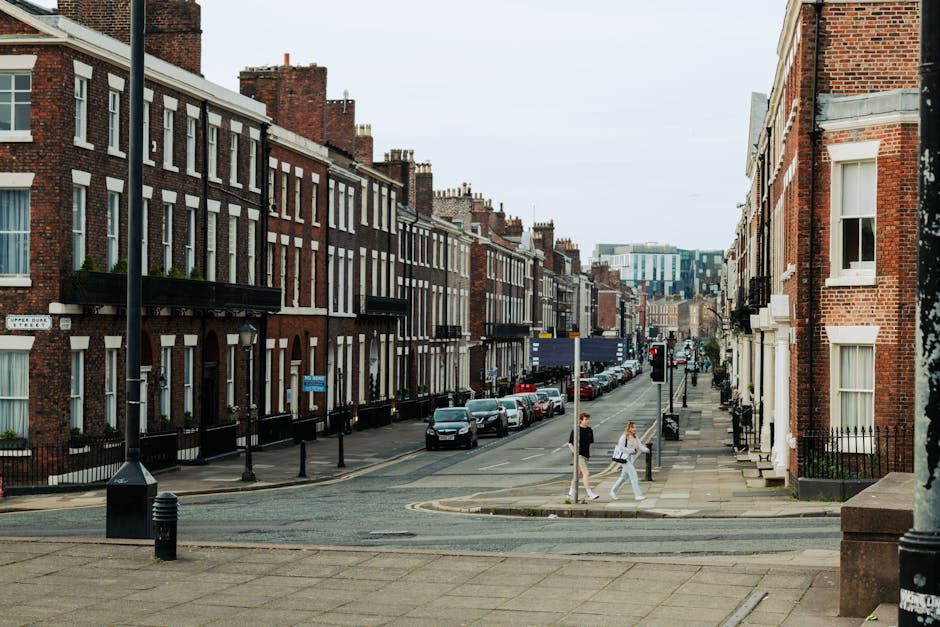
Common Mistakes to Avoid
Most move problems in Victorian terraces are not dramatic disasters. They are little avoidable errors that snowball.
- Underestimating access and assuming everything will fit first time.
- Leaving packing too late, then rushing fragile items into poor boxes.
- Ignoring parking reality and discovering the vehicle has to stop too far away.
- Forgetting to protect the property, especially bannisters and corners.
- Overloading boxes with books, crockery, or mixed contents.
- Not measuring large furniture against stairwells and door widths.
- Trying to move specialist items alone because "it only needs a quick lift". Famous last words, that.
Another common mistake is not distinguishing between a cheap move and a good-value move. The lowest quote is not always the best choice if it fails to reflect access difficulties, packing requirements, or the time needed on site. If you want to compare quotes properly, the pricing and quotes page is a sensible reference point.
And yes, sometimes people simply forget to ask questions early enough. Who is responsible for loading? Is dismantling included? Are there extra charges for storage, waiting time, or difficult access? These are not annoying questions. They are the questions that save everyone a headache later.
Tools, Resources and Recommendations
A good move does not depend on one magic tool. It depends on the right mix of preparation and practical kit. For Victorian terrace removals, these are the items and resources that tend to matter most.
| Tool or resource | Why it helps | Best used for |
|---|---|---|
| Strong double-walled boxes | Reduce crushing and splitting during stacking | Books, kitchenware, mixed household items |
| Furniture blankets and wrap | Protect surfaces and soft edges | Sofas, wardrobes, tables, cabinets |
| Floor protection | Helps avoid marks on narrow routes and staircases | Original floors, painted stairs, hallways |
| Labels and room markers | Makes unloading quicker and more organised | Any full-house move |
| Basic dismantling tools | Useful for beds, tables, and modular furniture | Items that will not clear safely in one piece |
| Short-term storage | Creates flexibility when dates do not line up | Delayed completions, renovations, temporary downsizing |
For a more complete sense of moving support, the removal van Barnsbury and man with a van Barnsbury pages are useful if you are deciding what level of help you need. If your move is time-sensitive, the same day removals Barnsbury service may also be relevant, though it is always best to check availability early.
One more practical note: recycling and disposal matter. Not everything should go into the new home or the bin. The recycling and sustainability page is useful if you are trying to clear responsibly rather than just move clutter from one address to another.
Law, Compliance, Standards, or Best Practice
For most household moves, the key compliance points are sensible and familiar rather than dramatic. Safe lifting, careful driving, and respect for local access arrangements all matter. In the UK, removal work should be carried out with proper attention to health and safety, especially where stairs, lifting, and manual handling are involved.
Best practice usually includes:
- using safe lifting techniques and avoiding single-person lifts when an item is clearly too heavy or awkward
- protecting the property before carrying begins
- securing loads properly in the vehicle
- communicating clearly about fragile items and access issues
- being transparent about what is included in the service
If you are comparing providers, it is sensible to review their safety information and terms carefully. The health and safety policy, insurance and safety, and terms and conditions pages are all worth checking before you book. Payment processes and personal data handling also matter, so payment and security and the site's policy pages can help you feel more confident about who you are dealing with.
It is also fair to look at the company itself. The about us page should give you a sense of whether the team understands local moves and customer expectations. And if anything ever goes wrong, a clear complaints procedure is usually a good sign that the business takes service seriously.
Options, Methods, or Comparison Table
There is more than one way to handle a terrace move. The right option depends on budget, timing, volume, and how difficult access is. Here is a straightforward comparison.
| Option | Best for | Strengths | Trade-offs |
|---|---|---|---|
| Full-house removal service | Complete moves with furniture, boxes, and larger loads | Most convenient, more coordinated, good for complex access | Usually more expensive than smaller help |
| Man and van support | Smaller loads or partial moves | Flexible and often efficient | May be less suitable for large households or heavy furniture |
| Dedicated furniture move | Bulky items like beds, wardrobes, and sofas | Focuses on the hardest pieces | Not a full solution if you have many boxes too |
| Move with storage | Staggered completion dates or renovations | Useful flexibility and less pressure on the day | Requires planning and possibly extra handling |
For a Victorian terrace on Liverpool Road, the most practical option is often the one that accounts for access first and price second. That sounds blunt, but it is the truth. The cheapest plan can become expensive if it is not built for the building.
Case Study or Real-World Example
Here is a realistic example based on the kind of move people often face in this area.
A couple in a Victorian terrace near Liverpool Road were moving into another London property with a delayed completion. They had a narrow staircase, a heavy oak wardrobe, a mattress, a small upright piano, and a kitchen full of packed boxes. At first, they thought a single van trip would do the job. Once the measurements were checked, it became clear the wardrobe would need careful dismantling and the piano needed specialist handling. The new property was not ready for everything on the same day, so short-term storage was added to the plan.
What changed the outcome was not fancy equipment. It was sequence. The team cleared the difficult items first, protected the staircase, stored the pieces that could not move immediately, and kept the essentials separate. The move took less energy than the couple expected, and far less anxiety. There was still the usual bit of chaos at the end - a kettle box that went walkabout for ten minutes - but overall the day stayed calm.
That is the kind of result a good terrace move should deliver. Not perfection. Just a clean, controlled process with no avoidable damage.
Practical Checklist
Use this checklist in the final days before your move.
- Measure stairs, landings, doors, and large furniture
- Confirm parking and loading access near Liverpool Road
- Book your mover or van with enough lead time
- Separate specialist items such as pianos, mattresses, or freezers
- Finish decluttering before boxing begins
- Label every box with room and contents
- Pack an essentials bag for the first night
- Protect floors, corners, and bannisters
- Keep keys, documents, chargers, and medication somewhere safe
- Set aside cleaning materials for both properties
- Check your storage needs if dates do not align
- Do a final walk-through before the vehicle leaves
If you want to avoid last-minute panic, the article on moving from chaos to calm is genuinely helpful. Small systems make a very big difference, especially in terrace houses where there is not much spare room for muddle.
Conclusion
Liverpool Road removals for Victorian terraced homes are all about respecting the property, planning for access, and moving with a steady hand. These homes are full of charm, but they reward care. If you prepare properly, measure honestly, and choose the right support, the move can be far smoother than people expect.
The best results usually come from a simple formula: declutter early, pack intelligently, protect the building, and use help where the job genuinely calls for it. That is the kind of approach that keeps stress down and confidence up. And frankly, moving day is easier when you are not fighting the staircase.
Get a free quote today and see how much you can save.
Whether you are moving a whole family home, a few large pieces, or a carefully packed lifetime of belongings, a well-planned terrace move can feel less like a scramble and more like a fresh start. One step at a time, that is usually enough.