Moving near Union Chapel: access and loading tips
Posted on 06/05/2026
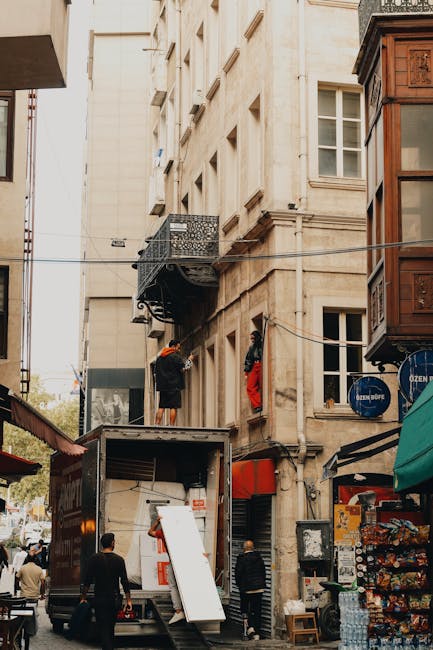
Moving in the streets around Union Chapel can feel straightforward on a map and slightly less straightforward on the ground. A short distance, yes. But the moment you face narrow lanes, shared entrances, awkward kerbs, busy local traffic, or a van that needs to stop exactly where everyone else also wants to stop, the whole job changes. That is why Moving near Union Chapel: access and loading tips matters so much. A bit of planning here can save time, protect your furniture, and stop the move from turning into one of those mornings you never quite forget.
In this guide, we'll walk through the practical side of access, parking, loading, and timing near Union Chapel. You'll also find useful links to packing, lifting, storage, and local moving support where it helps. Truth be told, the difference between a smooth move and a messy one is often not the lifting itself - it's the access plan.
Why Moving near Union Chapel: access and loading tips Matters
Union Chapel sits in a busy part of North London where roads can be tight, parking can be limited, and buildings often have their own little quirks. If you are moving a flat, a family home, or even just a few bulky pieces, access becomes the thing that decides how long the job takes and how stressful it feels.
Loading is where the hidden risks show up. A sofa that looks easy on paper can become a problem if it has to be carried down narrow stairs, turned at a sharp landing, and loaded into a van parked a short walk away. Add rain, morning traffic, or a neighbour's car sitting in the only usable spot, and suddenly your tidy plan needs a rethink. That is life in London, to be fair.
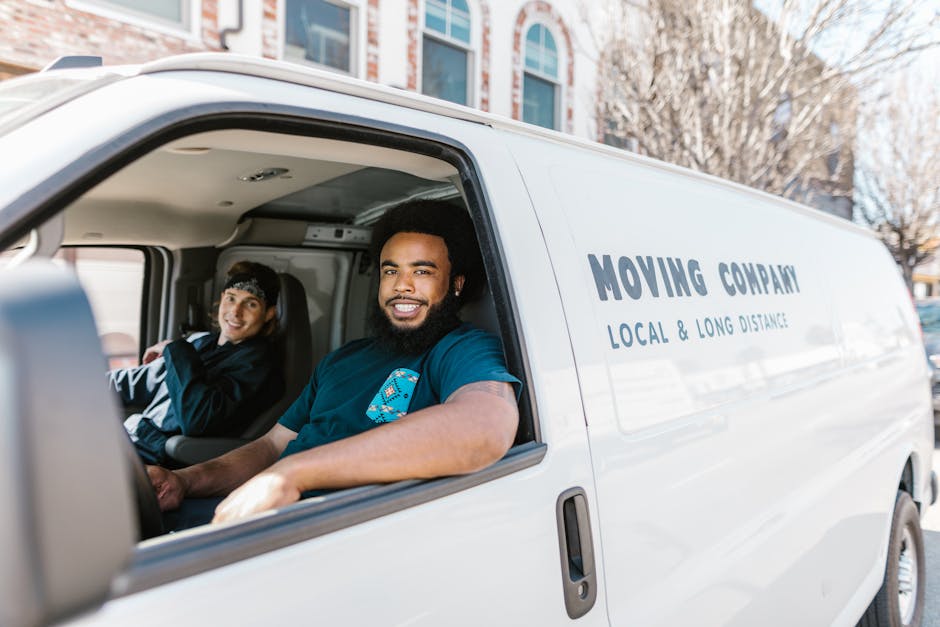
This is why local moving know-how matters. If you are also looking at broader support, it can help to browse the main removal services in Barnsbury or the more specific man with a van service when your move is smaller or more flexible. The right service choice depends on access, volume, and how much carrying is involved.
How Moving near Union Chapel: access and loading tips Works
The basic idea is simple: reduce friction before moving day. That means checking where the van can stop, how the items will leave the property, and what route the crew will use from front door to vehicle. The move itself then becomes a sequence rather than a scramble.
In practical terms, the process usually looks like this:
- Assess the property access: stairs, lifts, door widths, hallway bends, and any tight corners.
- Check external access: parking, loading bay space, road width, and whether the van can park legally and safely.
- Match the vehicle to the street: a larger van is not always better if the road is cramped.
- Prepare the load route: clear obstacles, protect floors, and keep doors propped where appropriate.
- Load by priority: heavy, stable items first, with fragile items secured and isolated.
That last point matters more than many people realise. A van can be perfectly packed but still be a pain to unload if the order is wrong. You want the essentials and the awkward items placed deliberately, not just wedged in wherever they fit.
If packing is still underway, it may be worth revisiting advanced packing techniques for moving before move day. And if the property is cluttered to the point where access is compromised, the guide on decluttering before a move is a very sensible place to start.
Key Benefits and Practical Advantages
Good access and loading planning does not just make things easier. It changes the whole atmosphere of the day. You get fewer pauses, fewer awkward lifts, and fewer "where on earth do we put this now?" moments.
- Less physical strain: fewer long carries and fewer risky turns on stairs or pavements.
- Faster turnaround: items move from door to van with less wasted time.
- Lower damage risk: furniture, walls, bannisters, and floors all stay better protected.
- Cleaner communication: everyone knows where the van is, which door to use, and what goes first.
- Better cost control: a smooth move usually avoids paying for avoidable delays. Not always, but often enough.
For families, that can mean less chaos. For students, it can mean getting the move done before the day becomes a blur. And for anyone juggling work, childcare, or a lease deadline, it can mean the difference between a manageable relocation and a very long afternoon.
There is also a trust angle here. A moving team that asks detailed questions about access is usually doing you a favour, not being fussy. The same applies if you're comparing furniture removals in Barnsbury with a smaller man and van option. The right fit depends on the shape of the move, not just the price tag.
Who This Is For and When It Makes Sense
This kind of planning is useful for almost anyone moving near Union Chapel, but it becomes especially important in a few situations.
- Flat movers: if you are dealing with stairs, entry phones, or shared hallways, access planning is essential.
- House movers: larger loads need a clear route and a realistic loading plan.
- Students: small jobs still go wrong when parking is tight or timing is rushed.
- Office moves: equipment, desks, and files need a more controlled handover.
- Bulky-item moves: beds, wardrobes, pianos, and sofas need extra attention before anyone picks them up.
If your move includes a bed or mattress, the practical notes in key considerations for moving your bed and mattress are worth a look. If you're moving a heavy item alone - which, let's face it, is usually a bad idea - read solo heavy object lifting simplified before trying anything heroic.
There are also times when the move itself is not the issue, but the timeline is. Same-day turnarounds, lease-end deadlines, and last-minute access changes all benefit from a plan that is simple and realistic rather than clever and fragile.
Step-by-Step Guidance
If you want the day to run smoothly, build the move around access first and boxes second. That sounds backwards, but it works.
1. Walk the route before moving day
Stand at the property entrance and trace the path to the street. Where are the pinch points? Is there a step down by the doorway? A narrow bend near the staircase? A low branch outside? These small details matter. They are the things that can slow a move by twenty minutes each, which adds up fast.
2. Decide where the van can stop
Near Union Chapel, the key question is not only "can the van park?" but "can it park without causing a problem?" Legal, safe stopping points are better than trying to squeeze into a spot that blocks traffic or forces repeated repositioning. If the street is tight, it may be worth planning a shorter carrying distance with a smaller vehicle, or using a shuttle-style approach.
3. Group your items by exit order
Put the first-load items near the door in the hours before the move: essentials, fragile boxes, and anything needed for immediate use at the new place. Then stage larger furniture pieces so they can be carried out without stopping to move smaller items first. It sounds obvious, but people still end up stepping over lamps and bin bags while looking for the kettle.
4. Protect the route
Use floor coverings where needed, keep doors open only if safe to do so, and remove loose rugs or trailing cables. If there's rain, add extra attention to the entrance area. Wet shoes and polished flooring do not get along.
5. Load the van in a sensible sequence
Heavy and sturdy items usually go in first, with lighter and more delicate items secured around them. Keep weight balanced across the floor of the van and avoid stacking fragile items under pressure. If you are using storage as part of the move, the article on storage in Barnsbury can help you think through short- or medium-term options.
6. Leave a little breathing room
Not every square inch has to be filled. A tightly packed van can be efficient, yes, but if the loading sequence is too dense, unloading becomes a puzzle. A bit of space can save a lot of frustration later.
Expert Tips for Better Results
After enough moves, you start noticing the same patterns. The smooth ones usually have a few things in common: clear communication, realistic timing, and fewer unnecessary objects.
- Confirm access details in writing: entrance codes, floor numbers, parking instructions, and any time restrictions should be shared early.
- Measure awkward items: wardrobes, sofas, mattresses, and mirrors are the usual culprits.
- Use the right lifting technique: bend at the knees, keep the item close, and do not twist while carrying.
- Label boxes by room and priority: this speeds up unloading and reduces chaos at the destination.
- Keep one person on route duty: someone should always be watching doors, gates, and the path to the van.
If you're moving a piano, treat it as a specialist job. That is not drama for the sake of it; it is simply a heavy, awkward, high-value item that can go very wrong if handled casually. The guide on why piano moving isn't a DIY job explains why specialist help makes sense.
And for sofas, if the item needs temporary holding before it is moved into a new room or home, the advice in professional storage advice for sofas can help protect fabric and shape. Small choices. Big difference.
Expert summary: near Union Chapel, the best move plan is usually the one that shortens carries, protects the route, and keeps the van stop simple. Fancy planning is not required. Practical planning is.
![A man with a dark beard and curly hair, wearing a blue T-shirt with a logo on the chest and dark trousers, is seen indoors during a home relocation. He is lifting one cardboard box with red tape around it, placing it on top of another box on a light wooden floor. The room has white walls and features a large arched window allowing natural daylight to illuminate the space. In the background, there are no additional furniture or appliances visible, emphasizing the process of packing and loading during furniture transport or a house move. The scene captures the careful handling of boxes as part of a professional removals service, aligned with the moving near Union Chapel theme, and reflects the importance of organized packing and safe loading in house removals, with [COMPANY_NAME] providing expert moving support. The overall environment appears clean and minimal, suitable for professional packing and furniture transport operations as part of a detailed house relocation process.](/pub/blogphoto/moving-near-union-chapel-access-and-loading-tips2.jpg)
Common Mistakes to Avoid
A lot of move-day stress comes from a few very ordinary mistakes. Nothing dramatic. Just avoidable stuff that catches people out when they are already tired.
- Assuming the van can stop anywhere: access near busy streets needs checking, not guessing.
- Leaving boxes unlabelled: this slows unloading and creates piles of mystery cartons.
- Trying to carry too much at once: one awkward lift is enough. Two is unnecessary. Three is silly.
- Forgetting about stairs and turns: a sofa that fits in the room may still fail on the staircase.
- Ignoring the weather: rain and wind can change both safety and loading speed.
- Not checking building rules: some flats and managed buildings have preferred delivery windows or access instructions.
One small but common issue: people pack brilliantly, then leave the keys, parking notes, or entry code in another bag. Happens all the time. Keep the essentials together. Keep them together.
If the move is part of a bigger life reset, the article on preparing your living space for a new chapter is a good companion read. It helps you think beyond the day itself.
Tools, Resources and Recommendations
You do not need a van full of specialist gear for every move, but a few practical items make access and loading much easier.
- Furniture blankets: useful for protecting doors, table corners, and polished surfaces.
- Ratchet straps or tie-downs: help keep furniture stable in transit.
- Wheel dollies or sack trucks: helpful for heavier items where the route allows it.
- Gloves with grip: better handling and fewer scraped knuckles.
- Floor runners or protective sheets: especially useful in flats and shared hallways.
- Clear labels and tape: the basic kit that saves time later.
For packing supplies, take a look at packing and boxes in Barnsbury. If you want a broader service overview before choosing how much help you need, the services overview is a sensible starting point.
Some people also benefit from a more flexible option like a removal van in Barnsbury if they are doing part of the move themselves. That can work well when access is decent and the load is organised. When access is poor, though, the choice may shift toward fuller support.
Law, Compliance, Standards, or Best Practice
For local moves, the key compliance issue is usually safe and lawful parking, plus sensible handling of loading activity. Exact parking rules vary by street and by borough, so it is best to check local restrictions rather than assume a short stop will be fine. In many parts of London, a van parked badly can delay the move and create avoidable conflict with neighbours or traffic.
Best practice is usually more relevant than formal regulation for the average household move. That means:
- planning legal stopping points in advance;
- avoiding blocked pavements or emergency access routes;
- using safe manual handling methods;
- protecting communal areas and floors;
- making sure any helpers understand the route and the load plan.
Where health and safety are concerned, a cautious approach is always better than a rushed one. If you want to understand how a provider frames safety and responsibility, you can review the site's health and safety policy and insurance and safety information. These pages help set expectations, especially for larger or more fragile moves.
There is also a practical human side to compliance. Shared buildings, narrow entrances, and close neighbours all mean you need to be considerate. A few minutes of courtesy can prevent a lot of awkwardness later. London moves often run on goodwill as much as logistics.
Options, Methods, or Comparison Table
Different moving setups suit different kinds of access. Here is a simple comparison to help you think it through.
| Approach | Best for | Strengths | Watch-outs |
|---|---|---|---|
| Small van with short carry | Compact flats, light furniture, easier streets | Flexible parking, quicker loading in tight areas | May need multiple trips if the load is larger |
| Full removal van | Households with more furniture and boxes | Better capacity, fewer trips | Needs better parking and route planning |
| Man and van support | Mid-sized moves, student moves, mixed access | Useful balance of cost and help | Not ideal for very bulky or specialist items |
| Specialist handling | Pianos, fragile antiques, oversized items | Reduced risk, expert equipment, better control | Usually needs more planning and coordination |
If you are comparing options for bigger home moves, the dedicated house removals service in Barnsbury or flat removals in Barnsbury may fit better than a basic single-journey move. It depends on volume, access, and how much furniture has to come through the door.
Case Study or Real-World Example
Here's a simple real-world style example. A one-bedroom flat near Union Chapel had a sofa, a bed frame, a mattress, four medium boxes, and a couple of awkward items: a tall mirror and a narrow shelving unit. On paper, that looked like a small move. In reality, the building entrance sat a short walk from the nearest sensible stop, and the staircase had a tight turn on the first landing.
The move plan that worked best was not the most ambitious one. It was the most practical. The team staged the smaller boxes near the door first, wrapped the mirror early, and loaded the bed frame after the pathway was cleared. The van was parked where it could be reached without blocking the street, and the carry route was kept clear of stray bags and loose shoes. Nothing dramatic happened. Which, for a move, is usually the dream.
The important thing was sequencing. Because the access was thought through in advance, there was no scramble to re-order the day once the sofa met the staircase. A move like that can feel ordinary from the outside, but the difference in stress is huge when the plan is solid.
If the move had included extra items or a temporary gap between properties, storage could have been useful too. For that kind of situation, storage in Barnsbury offers a sensible fallback while you sort keys, timings, or furniture placement.
Practical Checklist
Use this checklist a day or two before the move. It keeps the access plan honest.
- Check the exact property address and entrance point.
- Confirm where the van can legally and safely stop.
- Measure large furniture and note any tight turns or stairs.
- Label boxes by room and priority.
- Clear hallways, landings, and front-door areas.
- Protect floors and walls where items may brush past.
- Keep keys, phone numbers, and entry codes together.
- Set aside tools, tape, and bags for last-minute bits.
- Plan for rain, delays, or a slightly slower route than expected.
- Leave fragile or valuable items for careful loading, not the final rush.
One small tip from experience: put the kettle, mugs, charger, and basic cleaning bits in a single "first night" box. It makes arrival feel less like a pile of chaos and more like the start of something new. A small win, but a nice one.
Get a free quote today and see how much you can save.
Conclusion
Moving near Union Chapel becomes much easier when access and loading are treated as the core of the plan, not an afterthought. Check the route, choose the right vehicle, keep the loading sequence sensible, and make sure everyone involved knows how the day will flow. That simple shift can save time, reduce damage, and calm the whole experience down.
If your move is bigger, more delicate, or just plain awkward, don't force it into a generic setup. Use the right mix of packing, lifting, service support, and local know-how. That is how local moves stop feeling like a gamble and start feeling manageable.
And honestly, that's the goal: not a perfect move, just a smooth one that lets you settle in without carrying the stress with you.