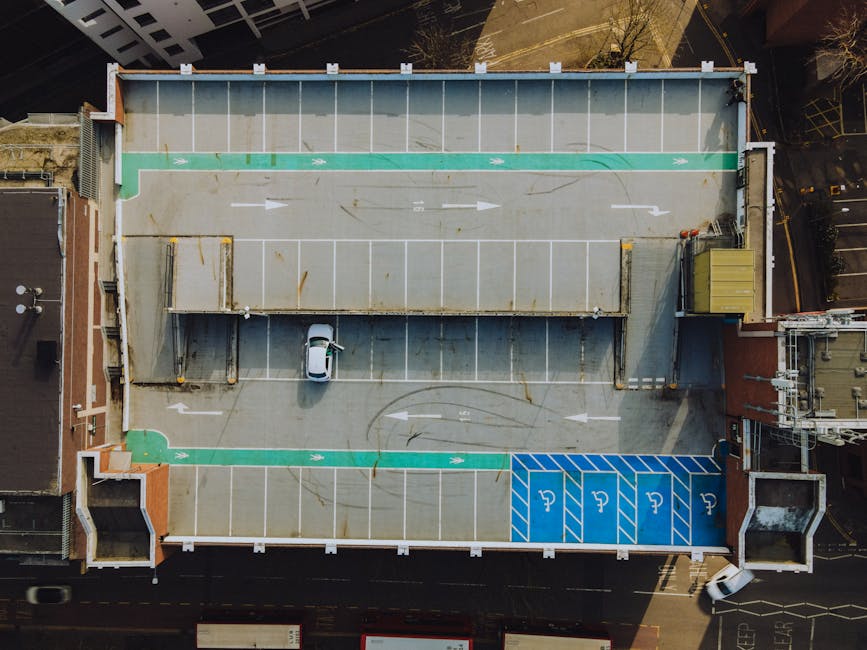
Barnsbury parking suspensions: apply for loading bays
Posted on 05/07/2026
If you are planning a move, a delivery, or any job that needs a clear space outside a property, Barnsbury parking suspensions: apply for loading bays is one of those topics that can make the difference between a smooth day and a very frustrating one. In Barnsbury, where streets can be tight, parking is often limited, and loading access can disappear fast, getting the right space sorted early is not just helpful. It is often the thing that keeps the whole job on track.
This guide breaks down what parking suspensions and loading bay arrangements mean in practice, why they matter for removals and bulky deliveries, how the process usually works, and the mistakes people make when they leave it too late. If you are juggling boxes, trying to avoid fines, or simply want the van parked where it needs to be, you are in the right place. Truth be told, this is one of those admin jobs that looks boring until it saves your day.
Why Barnsbury parking suspensions: apply for loading bays Matters
On paper, a loading bay suspension sounds simple: a space is set aside so a vehicle can stop legally for loading or unloading. In real life, especially around Barnsbury, it is often the difference between a controlled move and a scramble on the pavement. Narrow roads, permit pressure, resident parking, busier school-run times, and delivery traffic all stack up quickly.
Why does that matter so much? Because a removal van needs room. Not just for the van itself, but for the ramp, trolleys, straps, the open doors, and the people moving things in and out. If the vehicle is forced to park halfway down the street, you can lose time, increase lifting distances, and create more risk of damage. That is where planning a suspension or loading bay use properly starts to pay for itself.
For homes with awkward access, the pressure rises even more. Barnsbury has plenty of properties where stairs are tight, hallways are narrow, or the pavement outside is already busy. If you have read about tight stairs in Barnsbury flats and furniture-moving fixes, you will know the access side of moving is often the real challenge, not the packing itself.
There is also the simple matter of avoiding hassle with the wrong parking decision. A van left in a restricted spot can create stress before the first box is lifted. Nobody wants to start moving day with a polite but firm knock from a parking warden. And yes, that sort of thing seems to happen at the worst possible moment.
How Barnsbury parking suspensions: apply for loading bays Works
The basic idea is straightforward. If you need to use a parking bay or loading area for a short period, you usually need to make sure that space is available legally for the time you need it. In many areas, that means applying in advance for a suspension or checking the rules for a loading bay booking or exemption. The exact process can vary depending on the street, the type of bay, and the local authority's current rules.
For moving jobs, the practical aim is not just "find a space"; it is "secure the right space for the right time." That may involve a suspended bay, a loading-only arrangement, or another temporary parking setup. The point is to protect access for the van while also staying on the right side of local parking controls.
What people sometimes overlook is that loading bays are not magically available just because a move is happening. Some streets have timed restrictions, some bays are shared, and some spaces may be reserved for other uses at certain hours. If you are working from a flat or a terrace, especially in a busy part of Barnsbury, that detail matters a lot.
A good moving plan usually starts a few steps before the van arrives. For example, if you are organising a full household move, you might also review stress-free moving solutions so the parking plan supports the packing plan, not the other way around. The most organised moves are the ones where access, timing, and labour all line up. Simple enough, but not always easy.
What a loading bay suspension helps with
- Keeping the van close to the entrance.
- Reducing carry distance for heavy or awkward items.
- Making loading safer and quicker.
- Minimising double-handling of furniture and boxes.
- Helping the move stay within the booked time window.
What can go wrong if you do not plan it
- The van arrives and there is nowhere legal to stop.
- Items are carried further than expected, slowing everything down.
- Extra lifting increases the chance of knocks, scrapes, and strain.
- Parking tickets or enforcement issues interrupt the move.
- The whole day becomes more expensive and more stressful.
Key Benefits and Practical Advantages
There are clear benefits to getting parking access sorted for a loading bay or suspension. Some are obvious. Others only become obvious after you have tried moving without them.
1. Faster loading and unloading. When the van can park close by, people spend less time walking up and down with furniture. That keeps energy focused on the move itself.
2. Less damage risk. Fewer steps, fewer turns, and fewer chances to clip a wall, doorway, or neighbour's car. Anyone who has moved a wardrobe around a corner will know what I mean.
3. Better safety. Heavy lifting over a short distance is still heavy lifting, but it is usually safer than dragging items across a long route from a remote parking space. If you want more on safe handling, it is worth reading solo heavy object lifting simplified and, for larger or more delicate items, insurance and safety guidance.
4. Less disruption to neighbours. A properly managed loading plan can reduce the time doors are open, the time the van is idling, and the amount of time belongings are spread across the pavement. In a busy residential street, that goes a long way.
5. Better timing control. If you have cleaners, key handover times, lift bookings, or storage drop-offs to coordinate, having the van positioned well can keep the whole day on schedule.
There is also a quieter benefit: peace of mind. Once the access side is dealt with, you can focus on the actual move. That matters more than people admit.
Who This Is For and When It Makes Sense
Not every move needs a parking suspension or loading bay arrangement. But a lot more do than people realise. If you live in Barnsbury, the odds are already leaning toward "worth checking."
This is especially sensible if you are:
- moving from a flat with limited street access;
- moving furniture in or out of a terraced property;
- handling a same-day move with little margin for delay;
- collecting bulky items or white goods;
- moving a piano, sofa, bed, or other awkward item;
- coordinating a landlord handover or office move;
- using a removal van that needs to stay close to the property;
- working near streets where parking is already tight most of the day.
If your move includes specialist or fragile items, access matters even more. A piano, for example, is not something you want hauled a long distance from the nearest legal parking spot. There is a reason piano moving is not a DIY job. The same logic applies to beds, mattresses, and larger furniture if the route is awkward.
Students and renters often underestimate this because the move feels small. But a "small" move can still be difficult if the van cannot stop where it should. If you are short on time, urgent move solutions for Barnsbury tenants can be a useful way to think about how access, speed, and planning fit together.
Step-by-Step Guidance
Here is a practical way to approach the process without overcomplicating it.
- Check the street and the property layout. Look at how close a van can realistically get to the entrance. Take note of loading points, bay markings, and whether nearby access is blocked at peak times.
- Confirm what type of space you actually need. A loading bay, a suspended bay, or another temporary parking arrangement may suit different jobs. Do not assume every move needs the same solution.
- Work out the time window. Estimate how long loading and unloading will take. Be realistic. A one-bedroom flat with stairs can still take longer than expected if the furniture is bulky or access is awkward.
- Gather the details required for the request. You will usually need location information, dates, times, and vehicle details. If the move includes a rental van, know the registration and vehicle type before you start.
- Align the parking plan with the moving plan. Pack in the right order, separate essentials, and make sure the first items to leave are ready near the exit. A good parking setup is wasted if the hallway is still full of loose bags at 9:00 a.m.
- Confirm the arrangements in writing or in your records. Keep a note of the date, the bay involved, the time slot, and any reference information. It sounds dull. It saves arguments later.
- Brief everyone involved. If removers, tenants, landlords, or helpers are involved, make sure everyone knows where the van is meant to stop and what the loading sequence will be.
To make the move smoother overall, it helps to combine the parking arrangement with solid packing discipline. If you need a refresher, advanced packing techniques for moving can help reduce delays at the kerbside. A well-packed van is easier to load quickly, and quick loading is exactly what a short parking window needs.
One more thing: build in breathing room. Even if the plan looks neat on paper, real streets are not paper. A delivery van, a bin collection, or a neighbour's car can throw off the timing. Padding the schedule by a little can save a lot of stress.
Expert Tips for Better Results
In our experience, the best loading bay arrangements are the ones that are boring on the day. No drama, no last-minute improvising, just a clear plan that quietly works. Here are the habits that help most.
Book access around the heaviest lifting first
Do not schedule parking access based only on when the van can arrive. Schedule it around when the heaviest or most awkward items will move. A sofa, wardrobe, freezer, or piano can slow everything down, so give those items the easiest route.
Use the closest legal stopping point, not just any stopping point
Sometimes people try to "wing it" by parking a bit further away and hoping for the best. That usually ends up adding time, strain, and frustration. If the job needs a loading bay, use one. If you need a suspension, plan for it.
Match the van size to the access
A larger van is not always better if the road is tight. A smaller vehicle that can stop closer to the entrance may actually be more efficient. That is especially true in Barnsbury, where street geometry can be a bigger issue than the number of boxes.
Think about the route inside the property
The last 20 metres matter. Sometimes more than the whole road outside. Hallway widths, stairs, lifts, door swings, and floor surfaces all affect the pace of the move. If the route is tricky, read up on moving near Union Chapel access and loading tips and Barnsbury Square moving tips for narrow streets for a better feel for local access issues.
Keep the essentials near the door
Tools, keys, kettle items, documents, and a small overnight bag should be easy to grab. That way, once the van is in place, you can keep moving without digging around for basics.
Use storage to reduce pressure
If a parking slot is only available for part of the day, it may help to move some items into storage first. That is particularly useful for non-urgent furniture, seasonal items, or overflow stock. A little less volume can mean a much cleaner loading process. If that sounds useful, see storage options in Barnsbury and the practical advice in preparing your living space for a new chapter.
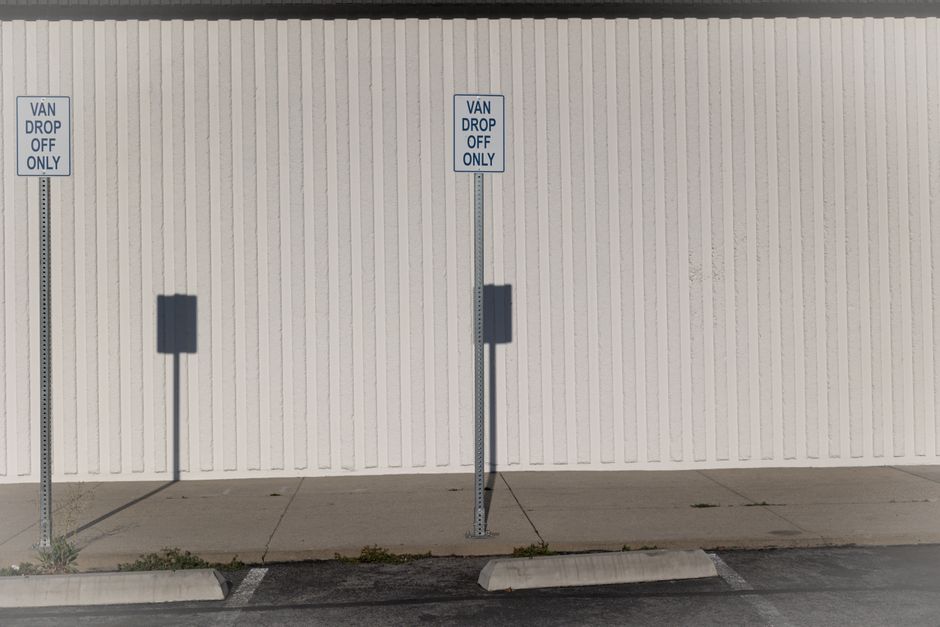
Common Mistakes to Avoid
Most parking issues on moving day are not caused by bad luck. They are caused by timing, assumptions, or missing details. Which, to be fair, happens to everyone now and then.
- Leaving it too late. If the space needs to be arranged in advance, waiting until the day before is risky.
- Assuming a loading bay is always usable. Some bays have time limits, restrictions, or competing uses.
- Forgetting vehicle details. A requested space may need the exact van registration or vehicle type.
- Overestimating how much time you have. Packing, carrying, and loading usually takes longer than expected.
- Not checking for nearby obstructions. Skip vans, builder materials, temporary signs, and bin placement can all create issues.
- Failing to communicate with helpers. If one person thinks the van is on one side of the road and another thinks it is on the other side, things go sideways quickly.
- Ignoring bulky-item handling needs. A mattress, sofa, or freezer should be planned for specifically, not treated like a box. If you need extra guidance, look at bed and mattress moving considerations and sofa storage and handling advice.
A small mistake here can ripple into a bigger mess. The good news? Most of them are easy to avoid with a simple checklist and a bit of patience.
Tools, Resources and Recommendations
You do not need a huge toolkit to manage a loading bay move properly, but a few practical things make life easier.
- A measuring tape. Helpful for doorways, furniture dimensions, and checking whether a van route is realistic.
- Labels and marker pens. These speed up unloading and reduce confusion once the van is parked.
- Furniture blankets and straps. Useful for protecting items during short carries and keeping things secure in transit.
- A trolley or sack truck. Especially helpful if the loading bay is a little further away than planned.
- Phone notes or a printed plan. A simple moving schedule, contact list, and parking reference can stop small issues becoming annoying ones.
- Extra boxes or wraps for awkward shapes. A lamp, artwork, or kitchen item often takes longer to handle than expected.
When planning the move itself, it can also help to pair your parking arrangement with other practical prep. For example, decluttering before a move reduces the number of items you need to load, while packing and boxes in Barnsbury can help you choose the right materials for the job. Fewer unnecessary items mean less pressure on your parking window. Easy win.
If you are managing a business or office move, the same logic applies, just with more people and more moving parts. Office equipment, IT gear, and furniture all benefit from a well-timed van stop. For larger-scale jobs, see office removals in Barnsbury and removal services in Barnsbury for the broader context.
Law, Compliance, Standards, or Best Practice
Parking suspensions and loading bay use sit within a framework of local parking controls, road safety expectations, and general good practice. The exact local procedure can change, so it is wise to treat the rules as something to verify rather than guess. That said, a few principles are broadly sensible in the UK context.
Do not assume a loading space is automatically yours. Even if the work is genuine, a bay may still need to be formally arranged or used within strict terms. Respect the signage and timing conditions attached to the space.
Keep the vehicle lawful and visible. A van positioned in a loading area still needs to comply with any relevant restrictions. Parking illegally for the sake of saving a few steps is not worth the risk.
Plan for safety as well as convenience. A loading bay should make the move easier, not encourage risky shortcuts. That means stable lifting, sensible team handling, and clear walkways. Our health and safety policy and terms and conditions reflect the kind of careful approach that matters in real moving work.
Be considerate to neighbours and other road users. If you need to occupy a space, keep the work efficient. Load in a steady, organised way. Do not block access longer than necessary. That basic courtesy goes a long way in residential streets.
There is also a sustainability angle worth mentioning. If you are decluttering before a move, consider whether items can be reused, recycled, or responsibly disposed of rather than shoved into the van and forgotten. That is where recycling and sustainability guidance can help you think more carefully about what is worth moving in the first place.
Options, Methods, or Comparison Table
Different jobs need different access solutions. Here is a practical comparison to help you decide what may suit your move.
| Option | Best for | Pros | Trade-offs |
|---|---|---|---|
| Loading bay use | Short, active loading and unloading | Close access, quick turnaround, efficient for removals | May be time-limited or subject to restrictions |
| Parking suspension | When a specific bay or section must be kept clear | Creates a controlled space for the van | Usually needs advance planning and the right details |
| Standard street parking | Smaller jobs or lower-traffic streets | Simple if a legal space is available | Often unreliable in busy parts of Barnsbury |
| Off-site parking plus trolley carry | Very small moves or flexible loads | Can work without special arrangements | Longer carry distance, slower, more physical effort |
If you ask most experienced movers, they will tell you the ideal option is the one that reduces friction. In plain English: the one that gets the van closest without causing problems. That might be a loading bay one day and a different approach the next. No single answer fits everything.
Case Study or Real-World Example
Imagine a small Barnsbury flat move on a weekday morning. The property is on a street where parking fills up early, the stairwell is narrow, and the main items include a bed, a sofa, several boxes, and a fridge freezer. Nothing wildly unusual, but enough to make access important.
The first version of the plan is simple: turn up and find a space. The trouble is, by the time the van arrives, the nearest legal spot is already taken. That means a longer carry, slower loading, and more pressure on everyone. The fridge needs two people, the sofa needs careful turning, and the clock starts to feel very loud.
The second version is better. Access is checked in advance, the loading bay arrangement is sorted early, boxes are stacked in sequence, and the first items are left near the exit. The van parks close, the team works from the heaviest items outward, and the move feels manageable. Not effortless, because let's be honest, moving never is. But manageable.
That small change in planning can cut the chaos dramatically. It also gives you more room to deal with real-world things: a door that sticks, a neighbour who is passing through, or a mattress that is just a little too awkward to turn on the stairs. If you want an example of how local routes and timing affect moving jobs, best times and routes for Thornhill Square to N1 moves is a useful local read.
These are the moments that make a parking plan worth the effort. Not glamorous. Just very practical.
Practical Checklist
Use this before moving day so you are not trying to remember everything while carrying a kettle, a lamp, and three boxes at once.
- Confirm the exact street and loading point.
- Check whether the van needs a loading bay, suspension, or another access arrangement.
- Note the move date, expected start time, and estimated loading duration.
- Gather van details such as registration if needed.
- Pack and label items in the order they will be loaded.
- Measure awkward furniture before the day.
- Keep essential items separate and easy to reach.
- Clear the hallway, entrance, and any doorway obstacles.
- Inform helpers, tenants, or neighbours if the access area will be busy.
- Have a backup plan if the street is unexpectedly occupied.
- Review safety basics for lifting, carrying, and stacking.
- Set aside documents, keys, and handover items.
If you want to tighten the whole move around the access plan, it can help to look at man with a van in Barnsbury, man and van services, or a suitable removal van option depending on the size of the job. The right vehicle choice makes the parking decision easier, which sounds obvious, but people forget it all the time.
Conclusion
Barnsbury parking suspensions: apply for loading bays is really about one thing: protecting the practical side of a move before it turns into a problem. When you get the access right, everything else gets easier. The lifting is smoother, the timing is tighter, and the whole day feels less like a scramble.
That does not mean every move needs a complicated setup. But in Barnsbury, where street space can be tight and schedules can be unforgiving, it is usually wise to think about the bay before you think about the boxes. A little planning here can save a surprising amount of effort later on.
Get a free quote today and see how much you can save.
And if you are still deciding how to tackle the move, take a breath. Sort the access, sort the packing, and keep the plan simple. You will thank yourself when the van is parked exactly where it should be and the first box is already on its way inside.