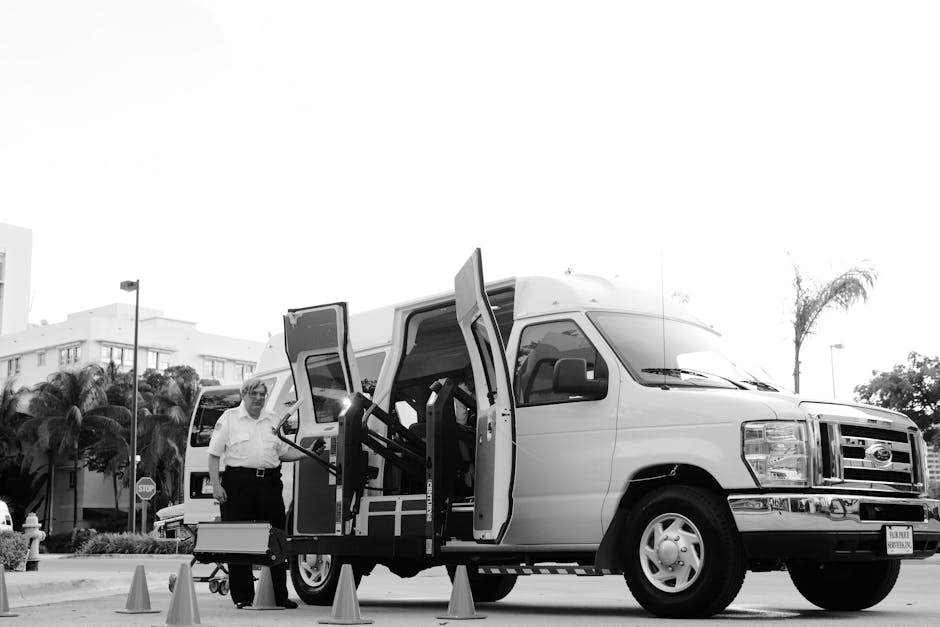
Caledonian Road Man with Van Barnsbury Access and Timing
If you are trying to organise a move around Caledonian Road, the difference between a smooth day and a stressful one often comes down to two things: access and timing. A Caledonian Road man with van Barnsbury access and timing plan is not just about booking a vehicle. It is about making sure the van can stop where it needs to, the route actually works for the street, and the collection or delivery happens at a sensible hour. That sounds straightforward, but in London, straightforward can become complicated fast.
In Barnsbury and the streets around Caledonian Road, you may be dealing with narrow roads, busy traffic, residents' bays, building rules, loading limits, stairs, and that awkward little gap where the lift is booked but the van is still stuck a few streets away. Truth be told, most moving delays come from small details that were never written down. This guide walks through what matters, how the process works, the common traps, and the best way to plan a man and van job that feels calm rather than chaotic.
Whether you are moving a flat, collecting furniture, shifting office items, or just need a dependable man with a van for a tight local job, the main idea is the same: prepare for the street before you prepare the boxes.
Why Caledonian Road man with van Barnsbury access and timing Matters
Access and timing matter because van moves are rarely difficult in a big dramatic way. They are difficult in a hundred small ways. Can the vehicle pull in safely? Is there room for the driver to wait without blocking traffic? Will the building let you use the front entrance, or do you need to use a side gate, buzzer system, or rear access? These questions decide whether the move feels organised or slightly frantic.
Caledonian Road sits in a part of London where routes can look easy on a map but behave differently in real life. A short journey can take longer than expected once loading zones, traffic build-up, school-run pressure, and one-way streets enter the picture. Barnsbury also has plenty of residential properties where timing is tied to building management, neighbours, permit spaces, and quiet-hours expectations. A well-planned move respects all of that.
There is also a practical financial side. If the van arrives too early and has nowhere legal to stop, you may lose time. If it arrives too late, you may miss access windows or building reservations. Neither outcome is ideal. A decent local move should be built around the street, not against it.
Expert summary: in this part of London, good moving work is usually less about brute strength and more about coordination. The best jobs are the ones where the van, the route, the access point, and the booking window all line up neatly. Nothing fancy. Just tidy planning.
How Caledonian Road man with van Barnsbury access and timing Works
The process usually starts with a quick assessment of what needs moving, where it is coming from, and where it is going. A local man with van service will normally want to know the size of the load, whether it includes heavy furniture, how many floors are involved, and whether either property has awkward access. That might sound like overkill. It is not. It saves trouble later.
Next comes timing. For urban moves, timing is not just the collection hour on the calendar. It includes travel time, parking risk, lift availability, loading windows, and the likelihood of traffic on the main roads around Caledonian Road. In practice, the most successful jobs are often scheduled with a bit of breathing space. Not too much. Just enough to absorb the usual London unpredictability.
Access planning usually means checking the following:
- where the van can legally stop
- whether a permit or loading bay is needed
- how far items need to be carried from door to vehicle
- whether there are stairs, narrow hallways, or tight corners
- whether large furniture needs disassembly
For larger domestic moves, customers often compare a home moves service with a more flexible man and van option. The first is usually better for fuller house moves, while the second can be ideal for lighter, local, or same-day jobs. A lot depends on the volume, really.
In Barnsbury, timing and access also influence how many people should be on the job. One person may handle small collections and straightforward drop-offs, but if the property has stairs, multiple items, or a strict time slot, extra hands can make the difference between efficient and awkward. You notice it especially with heavier pieces. Sofas have a funny way of becoming larger once they reach the staircase.
Key Benefits and Practical Advantages
A well-planned move around Caledonian Road and Barnsbury brings several benefits that are easy to miss until you have experienced the opposite.
- Less waiting time: a vehicle that can actually access the street reduces delays at both ends.
- Lower risk of damage: fewer rushed lifts, fewer awkward carries, fewer scrapes on walls and frames.
- Better use of paid time: if you are paying by the hour, organised access saves money.
- Less stress on move day: everyone knows what happens next, which sounds small but matters a lot.
- More predictable arrival and departure: especially useful for same-day handovers, landlord appointments, or office access slots.
There is also a comfort factor. When the van arrives at the right time and can park sensibly, the whole day feels less like a scramble. Boxes move faster. Conversations become easier. Even the tea tastes better, strangely enough.
For commercial customers, timing can be even more important. A small business moving equipment, archive boxes, or stock often needs a more exact handover than a household move does. In those cases, services such as commercial moves or office removals may be more suitable than a simple point-to-point collection.
If packing is part of the job, it is worth thinking about support before the van turns up. A move feels smoother when items are boxed and labelled properly. If that is not already sorted, packing and unpacking services can reduce the last-minute panic. And yes, the last-minute panic is always there if you let it be.
Who This Is For and When It Makes Sense
This kind of service makes sense for people who need practical moving support without booking a full-scale removal team. That can include renters, first-time buyers, students, homeowners, office managers, landlords, and anyone dealing with a local pick-up or drop-off in a tight London street.
It is often the right fit when:
- you have a modest volume of items
- the move is local or relatively short-distance
- you need flexibility more than a large crew
- access is tricky but manageable with planning
- you need a quick collection at a specific time
It may also suit people who are moving from a flat with limited lift access, or those collecting furniture from a shop, storage unit, or friend's house. If the job is small but awkward, a local moving van can be more sensible than overcommitting to a larger option.
That said, if you are moving an entire property, heavy furniture, or a workplace with several desks and filing systems, you may want to compare a removal company with a lighter service such as man with a van. Different jobs need different levels of support. No need to force a square peg into a round box.
Step-by-Step Guidance
Here is a practical way to plan a move around Caledonian Road and Barnsbury without making life harder than it needs to be.
- List the items clearly. Include furniture, boxes, fragile items, and anything unusually bulky.
- Check the access at both addresses. Note stairs, lifts, gate codes, narrow hallways, and where the van can stop.
- Choose the right time slot. Avoid peak congestion where possible and allow buffer time for parking or building access.
- Confirm loading rules. If stopping briefly outside the property might be an issue, plan an alternative.
- Prepare items for fast handling. Dismantle what you can, protect glass, and label boxes by room.
- Keep key documents and valuables separate. Essentials should travel with you, not disappear into a pile of boxes.
- Walk the route if needed. For tricky properties, a quick look at the entrance and stairs can prevent surprises later.
One small but useful habit: take a few photos of awkward items or tight access points before move day. This helps everyone judge size, shape, and handling requirements properly. It is not fancy, but it works.
When you need a clearer idea of scope and timing, it can help to look at the provider's pricing and quotes information before you book. That way, you know what to ask and what to expect.
Expert Tips for Better Results
After plenty of local jobs, a few patterns show up again and again. The simplest moves tend to be the ones where the customer has already thought through the awkward bits. Here are a few tips that make a real difference.
- Book slightly earlier than you think you need. It gives room for parking or access delays.
- Tell the mover about restricted access up front. Narrow staircases, top-floor flats, and concierge rules matter.
- Group items by room. It saves time at delivery, especially if there are several drop-offs.
- Protect entrances and corners. A bit of packing material or blanket protection goes a long way in older properties.
- Have a phone charged and ready. Sounds obvious. People forget it all the time.
If you are moving furniture rather than a whole household, the right support can be even more targeted. A furniture pick-up service can be a neat solution for one-off items, especially when timing is fixed and the property access is a bit awkward.
Also, if sustainability matters to you, ask how unwanted items are handled. Responsible reuse and disposal are not just nice extras; they are part of a decent service. You can check the company's approach through its recycling and sustainability information. Easy enough, and worth doing.
Common Mistakes to Avoid
Most moving problems are preventable. That is the annoying part, and also the encouraging part.
- Assuming parking will be easy. In Barnsbury and around Caledonian Road, it often isn't.
- Forgetting building restrictions. Some properties have strict loading or access rules.
- Underestimating the time needed. A short job can stretch if access is tight.
- Not measuring large items. If it will not fit through the hallway, it needs a plan.
- Leaving packing until the last minute. That is how moves get noisy, rushed, and slightly dramatic.
- Booking a vehicle that is too small. It can mean multiple trips, which is usually more expensive and more tiring.
Another common slip is failing to mention whether there are long carrying distances from the van to the door. Even fifty metres feels long when you are moving a stack of boxes in the rain. London weather has a sense of timing too, unfortunately.
Tools, Resources and Recommendations
You do not need a load of specialist tools for a local man and van move, but a few basics help a lot.
- Strong boxes: use uniform sizes where possible so they stack properly.
- Blankets and covers: good for protecting wood, metal, mirrors, and corners.
- Tape and labels: keep things secure and clearly marked.
- Measuring tape: useful for doorways, stairwells, and furniture sizes.
- Bin bags or clear sacks: handy for last-minute loose items, though they should not replace proper boxes.
For a more complete move, you may want to combine the vehicle with a broader removals package. Pages such as removals and removal services are useful if your move is bigger than a simple collection. If you need a more dedicated vehicle option, a removal van or even a larger moving van may be the better fit.
And if you are comparing providers, look beyond the headline price. Check whether insurance, timing expectations, and access assumptions are clearly explained. A tidy booking process is often a good sign. A vague one usually stays vague all the way through.
Law, Compliance, Standards, or Best Practice
For this kind of local moving work, the main compliance concerns are practical rather than complicated. A reputable provider should work safely, handle goods carefully, and follow sensible transport and parking practices. In the UK, that generally means the business should be transparent about responsibilities, payment terms, insurance, and how complaints are handled.
It is also wise to check that the mover has appropriate insurance and a clear safety approach. You can usually judge this from how they talk about risk, loading, and handling. The stronger the process, the more likely the move will feel controlled. The company's insurance and safety information is worth reviewing before booking, along with the health and safety policy if you want a clearer picture of how the work is managed.
Best practice also includes being honest about access. If a road is tight or a stop is restricted, say so early. That gives the mover a chance to plan properly instead of discovering the issue when the van is already nearby. Which, let's face it, is the least helpful moment possible.
For business customers, having clear terms and a straightforward payment process matters too. A check of the terms and conditions and payment and security pages can save awkward conversations later. Nobody enjoys haggling at the kerbside at 8:15 in the morning.
Options, Methods, or Comparison Table
Choosing the right moving method depends on volume, access, timing, and how much help you need on the day.
| Option | Best for | Access and timing fit | Typical advantage |
|---|---|---|---|
| Man with van | Local, smaller, flexible moves | Strong for tight time slots and awkward streets | Quick, practical, adaptable |
| Moving van | Medium loads and larger single trips | Good when volume is higher but access is manageable | More space for furniture and boxes |
| Removal services | Fuller home or business moves | Best when planning, handling, and timing all matter | Broader support and coordination |
| Furniture pick-up | One-off items or partial collections | Ideal for simple access and fixed collection windows | Efficient for single items |
If your move is mainly a straightforward local collection, a man and van is often enough. If you have several rooms' worth of goods, it may make sense to compare that with house removals or house movers. Different scales, different tools. Simple as that.
Case Study or Real-World Example
Picture a typical weekday move near Caledonian Road. A renter is leaving a one-bedroom flat in Barnsbury and needs to move a bed frame, a desk, three boxes of books, kitchen items, and a couple of plants. Nothing enormous, but the building has a narrow entrance and the street outside is busy by mid-morning.
The first instinct might be to choose the latest possible slot, hoping traffic will have eased. In practice, that can backfire. By late morning, parking becomes more competitive, pedestrians are heavier around the pavement, and the lift may already be in use. A better plan is an earlier slot with a small buffer built in, so the van arrives before the street gets too busy.
The mover is told in advance that the flat is on the second floor with no lift. That one detail changes everything. The driver brings the right equipment, the customer clears the hallway, and the load is carried out in a few manageable trips instead of a frantic scramble. The move is done, tea is made, and the day keeps moving. A proper win.
That is the real lesson here: access details and timing do not need to be dramatic. They just need to be accurate.
Practical Checklist
Use this quick checklist before your move or collection.
- Confirmed the collection and delivery addresses
- Checked stair access, lifts, and door widths
- Checked where the van can legally stop
- Noted any parking restrictions or permit issues
- Measured large furniture and awkward items
- Packaged fragile items securely
- Labelled boxes by room or priority
- Separated essential documents and valuables
- Agreed the best time slot for traffic and access
- Reviewed pricing, insurance, and terms
- Prepared contact numbers for the day
If you want to reduce the pressure even more, it can help to browse removals near me options early and compare what is included, not just the headline price. Small detail, big difference.
Conclusion
Getting a Caledonian Road man with van Barnsbury access and timing plan right is mostly about respect for the street, the building, and the clock. When those three things are handled properly, the rest of the move tends to fall into place. Items are loaded cleanly, delays shrink, and nobody is left standing on the pavement wondering why a simple job turned into an all-day event.
That is why local knowledge matters. It is not just about having a van. It is about knowing when to arrive, where to stop, what to expect at the door, and how to keep the job moving without fuss. A good move feels almost boring, in the best possible way. And honestly, boring is underrated.
Get a free quote today and see how much you can save.
For readers who want to understand the business behind the service, the company's about us page is a sensible place to learn more about the team and approach.
When a move is planned with care, it does not just save time. It gives you a bit of breathing room, and that can make all the difference.
Frequently Asked Questions
What does Caledonian Road man with van Barnsbury access and timing mean in practice?
It means planning a local move so the van can access the property safely and the booking time works with traffic, parking, and building rules. In this area, those details matter as much as the load itself.
Why is access such a big issue around Caledonian Road and Barnsbury?
Because many streets are busy, residential parking can be limited, and some properties have tight entrances, stairs, or loading restrictions. If you do not plan for that, even a small move can slow right down.
How far in advance should I book a man and van service?
As early as you can if the move has a fixed deadline or tricky access. For flexible, smaller jobs, shorter notice may still work, but earlier booking usually gives you more choice on timing.
Is a man with a van suitable for a full house move?
Sometimes, but not always. It depends on the amount of furniture, the number of rooms, and whether the move needs extra labour. For larger moves, a fuller removals option may be more appropriate.
What should I tell the mover before the job starts?
Tell them about stairs, lifts, parking restrictions, awkward furniture, restricted access, and any time limits at either address. The more accurate the information, the smoother the day tends to be.
Can a moving van stop outside my building in Barnsbury?
That depends on the street, the time of day, and local parking or loading rules. It is best not to assume. Check the access situation carefully before booking.
What happens if the van arrives and there is nowhere to park?
The mover may need to wait, adjust the stopping point, or look for a legal loading option. That can add time, which is why advance planning is so useful.
Do I need packing help for a local move?
Not always, but it helps if you are short on time or moving fragile items. Packing support can save time on the day and make loading more efficient.
How do I know whether I need removals instead of a man and van?
If you have a larger volume, multiple heavy items, or a complex property layout, full removal services may be a better fit. If the move is smaller and local, a man and van may be enough.
What is the best time of day for moving around Caledonian Road?
It depends on your access and destination, but earlier slots often help with parking and traffic. The exact best time can vary by street and by day, so a small buffer is usually wise.
How can I reduce the risk of damage during the move?
Measure furniture, protect fragile items, dismantle what you can, and keep pathways clear. Damage is more likely when things are rushed or poorly packed, so a little preparation helps a lot.
Where can I check service details before booking?
Useful places to review include pricing and quotes, insurance and safety, and the relevant service pages that match the size of your move.
What if I only need to move one item?
Then a smaller collection service may be enough, especially if timing and access are simple. A single-item move is often more about coordination than volume.
Is it worth checking the company's policies before I book?
Yes, especially for payment, safety, privacy, and terms. It gives you a clearer picture of how the service is run and helps avoid surprises later.
What should I do on the morning of the move?
Keep access clear, keep your phone nearby, separate essentials, and make sure the mover can reach you if needed. A calm start usually leads to a calmer finish.